

What Is Cafe Wholesale? A Guide for Australian Cafe Owners in 2026
One Account. One Delivery. One Invoice.
Kelly’s Distributors has been supplying Australian cafes and coffee shops for over 20 years, servicing 5,000+ venues nationally with a single-supplier answer to the “juggling four accounts” problem.
What does cafe wholesale actually mean
Cafe wholesale is business-to-business supply. A wholesale distributor buys drinks, milk, syrups, coffee, tea, snacks, and packaging in volume from the brand or manufacturer, holds stock, and then sells it on to cafes at trade prices with regular delivery. The differences from retail lie in a few clear places. Pricing is set per carton or case, not per unit, so the per-can or per-litre cost drops. Payment usually runs on a trade account rather than a card on the spot. Delivery comes to your venue on a schedule that suits how fast you move stock. And the range is deep enough that one distributor can cover most of your drink and cafe supply needs, rather than you managing five different supplier relationships. For a small independent cafe, wholesale is where the numbers start to work. Buying Coke, oat milk, and syrups at retail eats your margin before you’ve served the first flat white. Buying the same lines through a wholesale distributor, at trade rates, is often the difference between a profitable venue and one that’s grinding. Kelly’s Distributors has been supplying Australian cafes and coffee shops with beverages and cafe products for over 20 years, and today services more than 5,000 venues across Australia. That kind of scale exists because cafes need it.What Australian cafes buy through wholesale
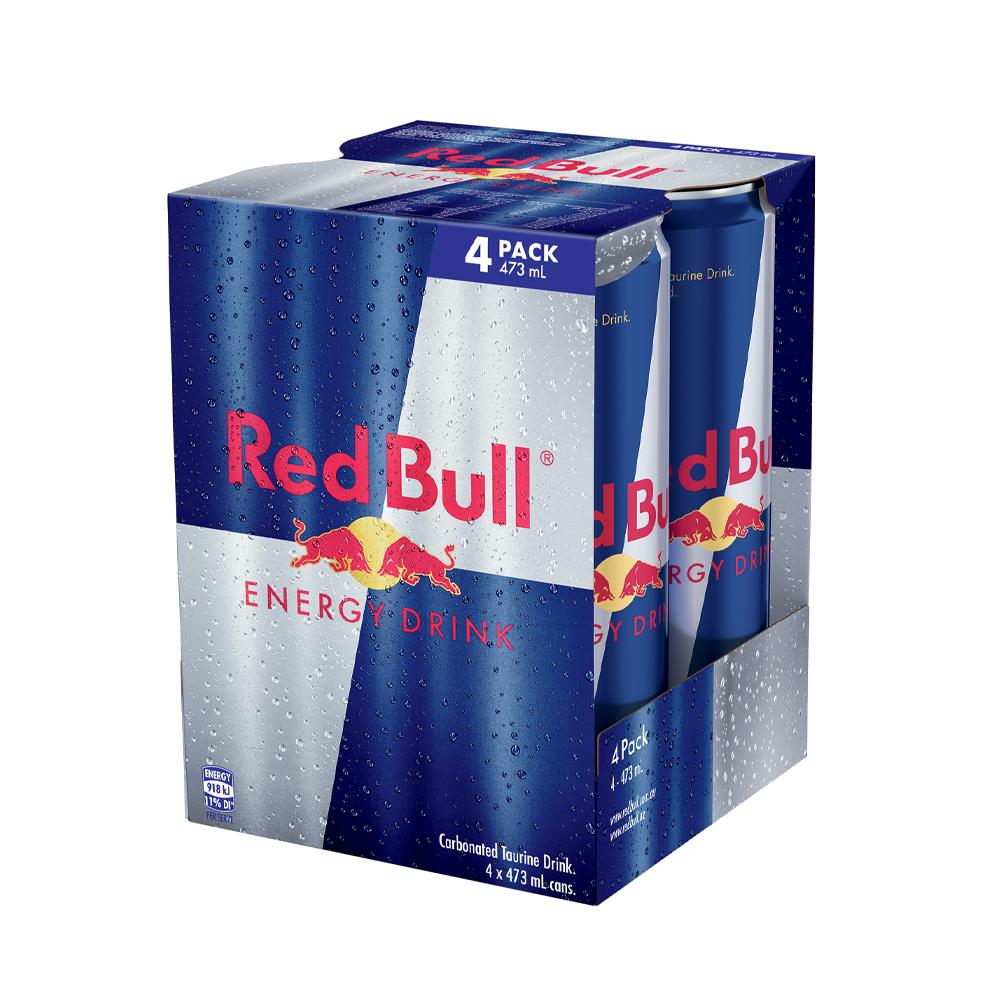
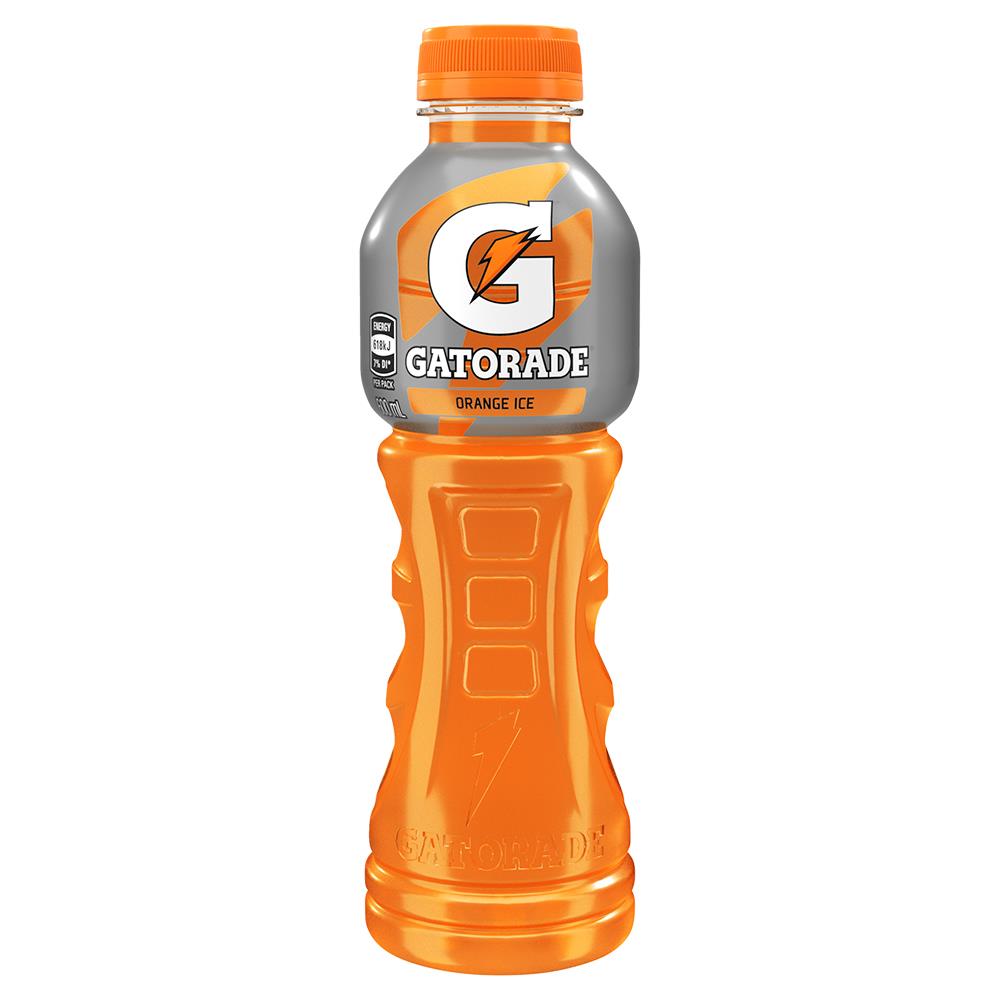
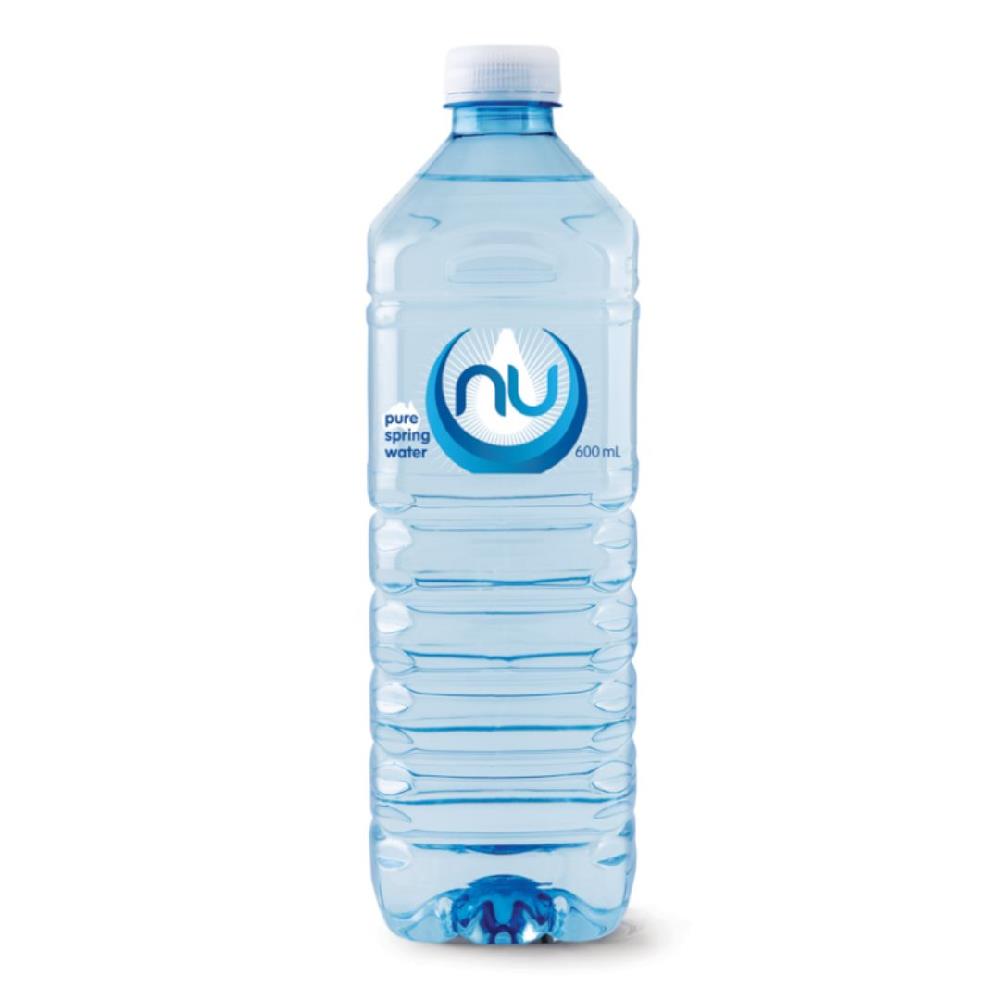
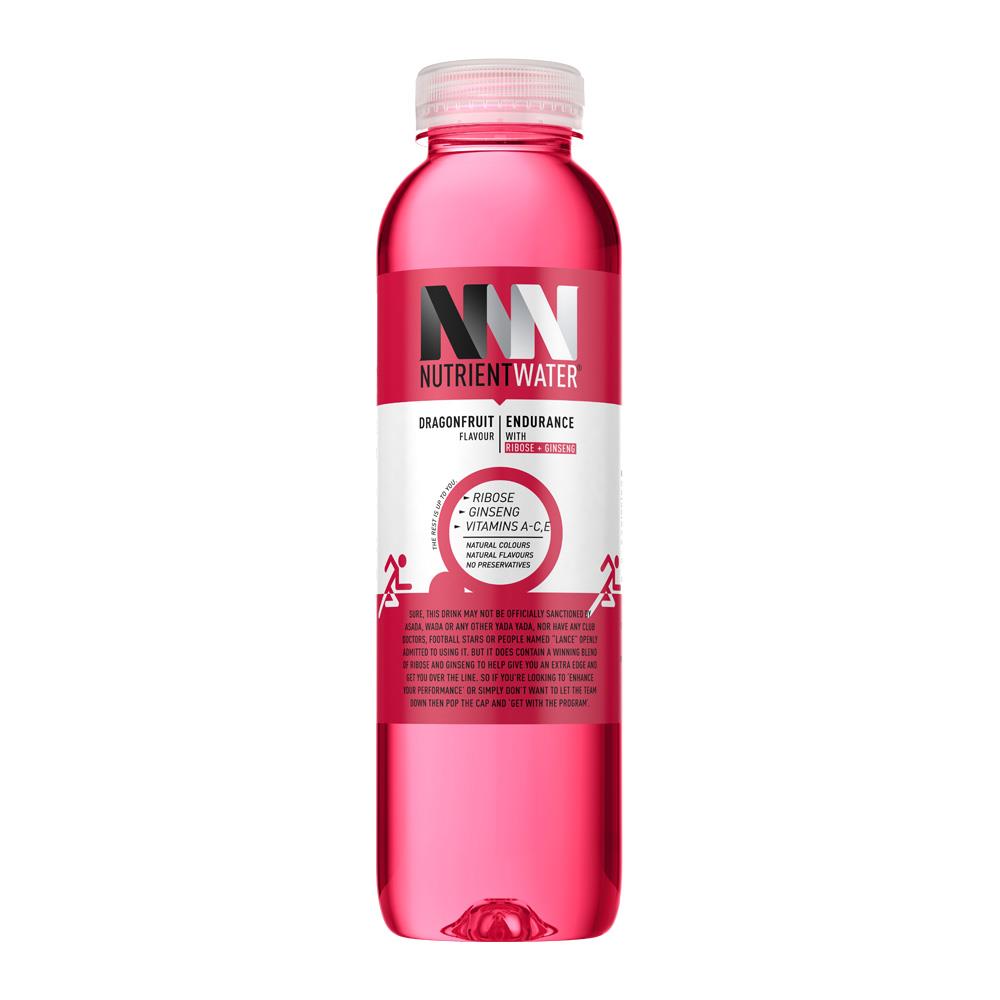
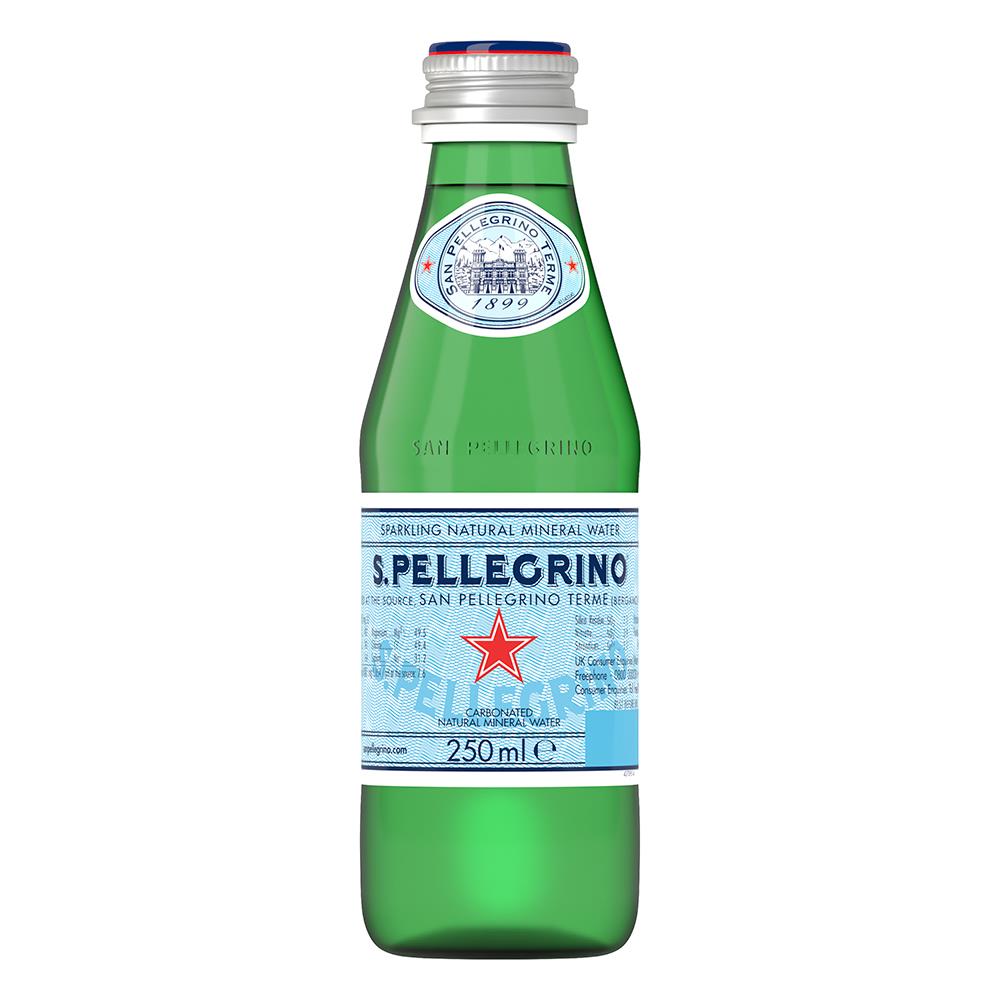
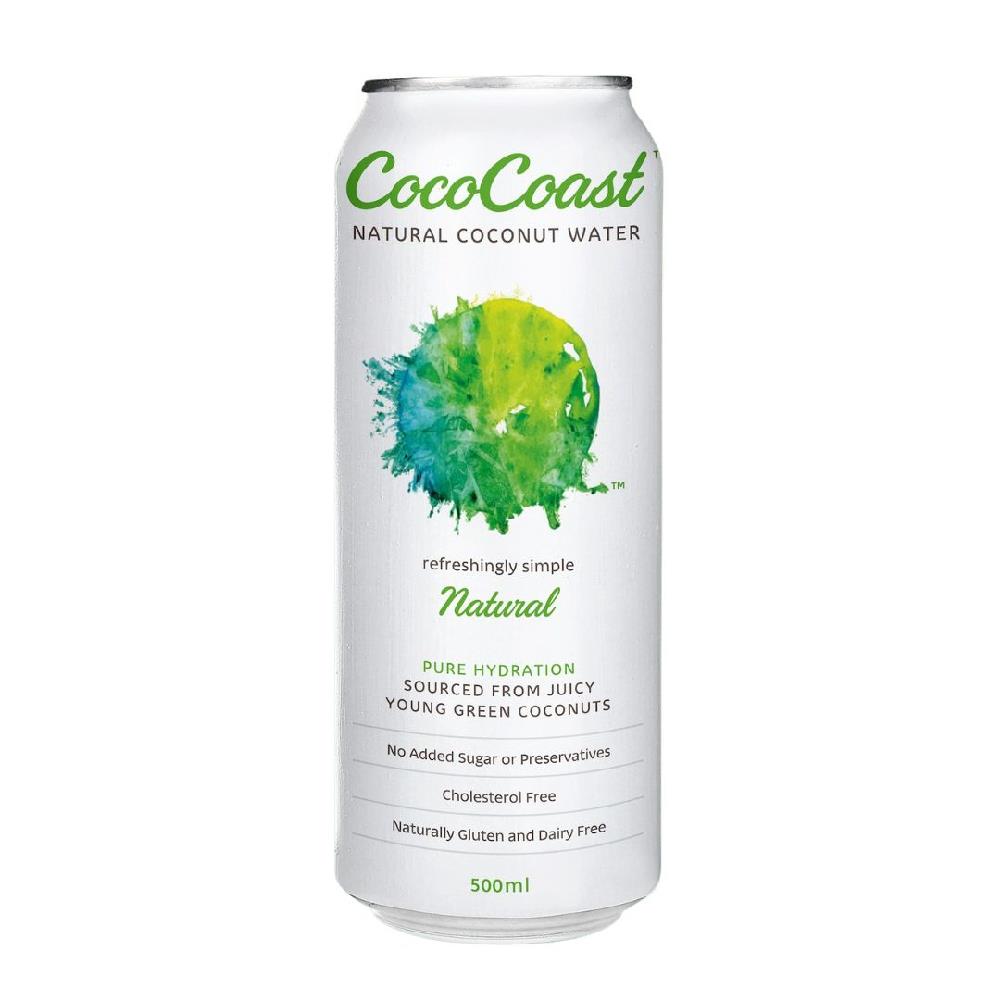
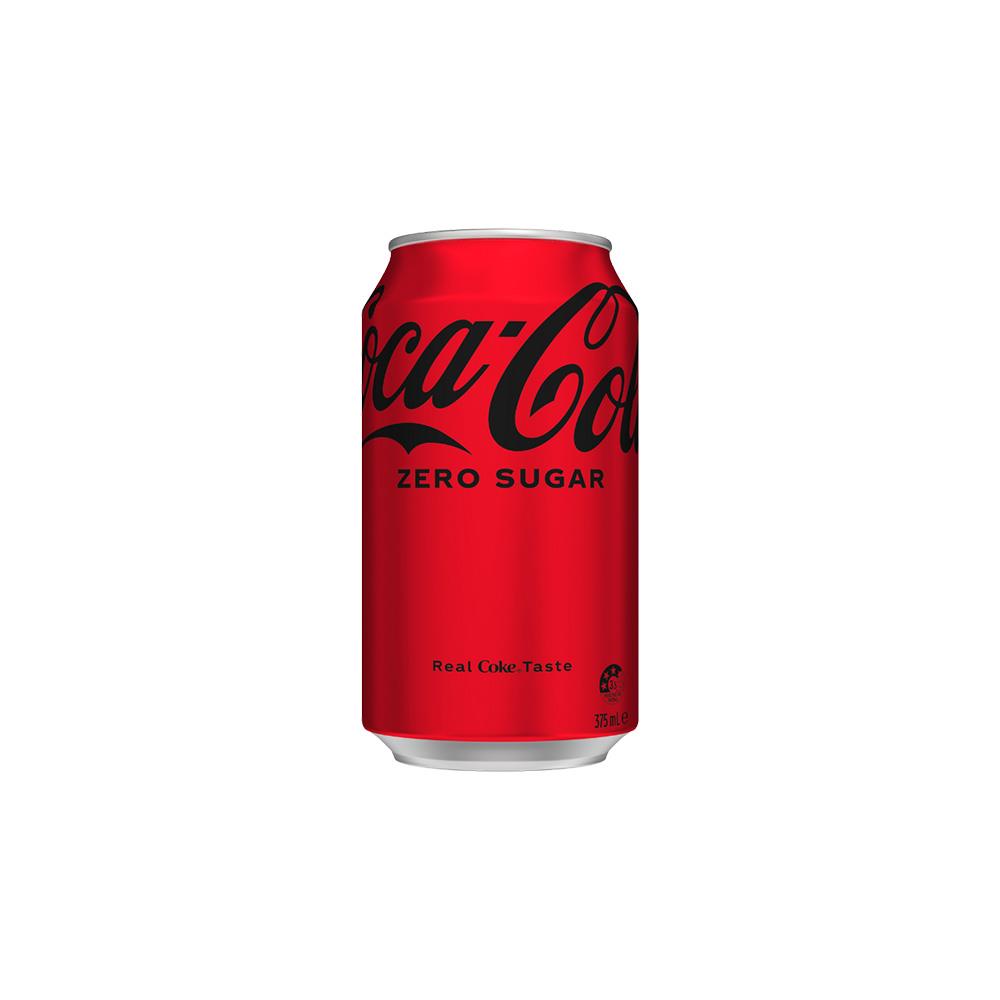
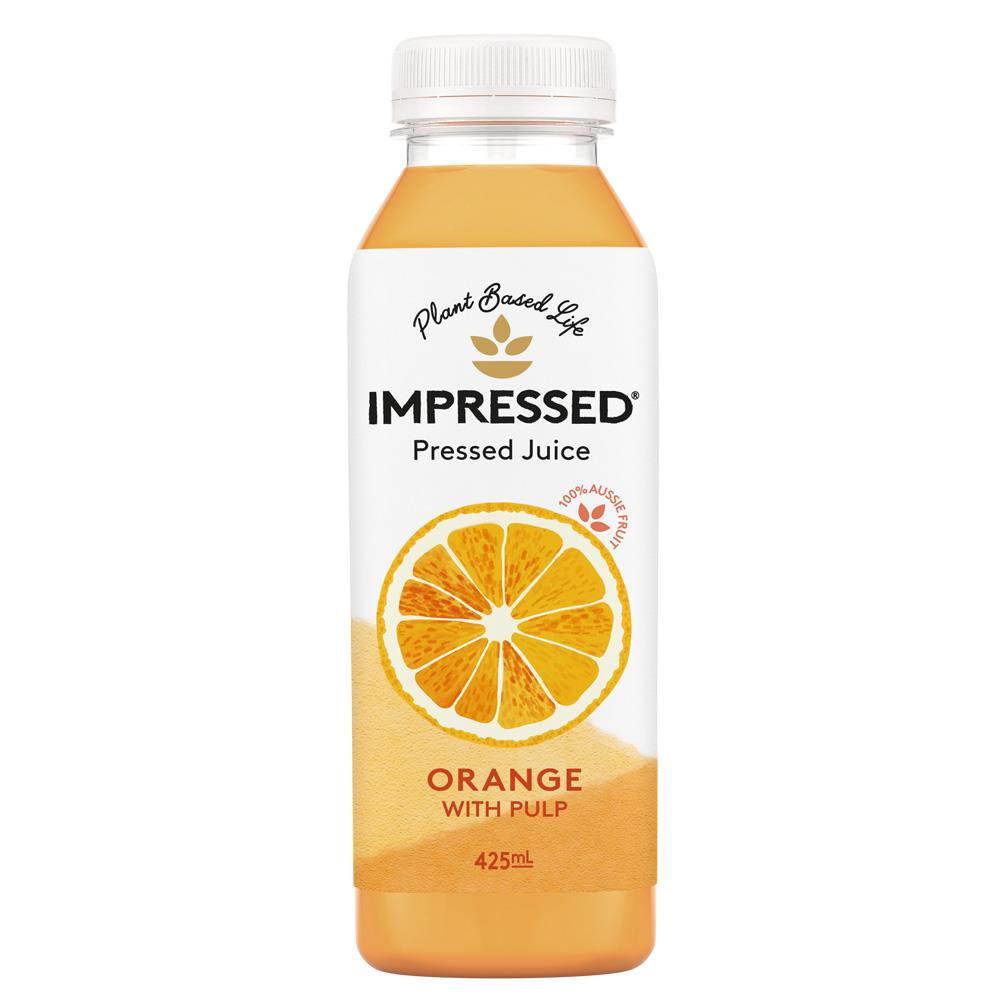
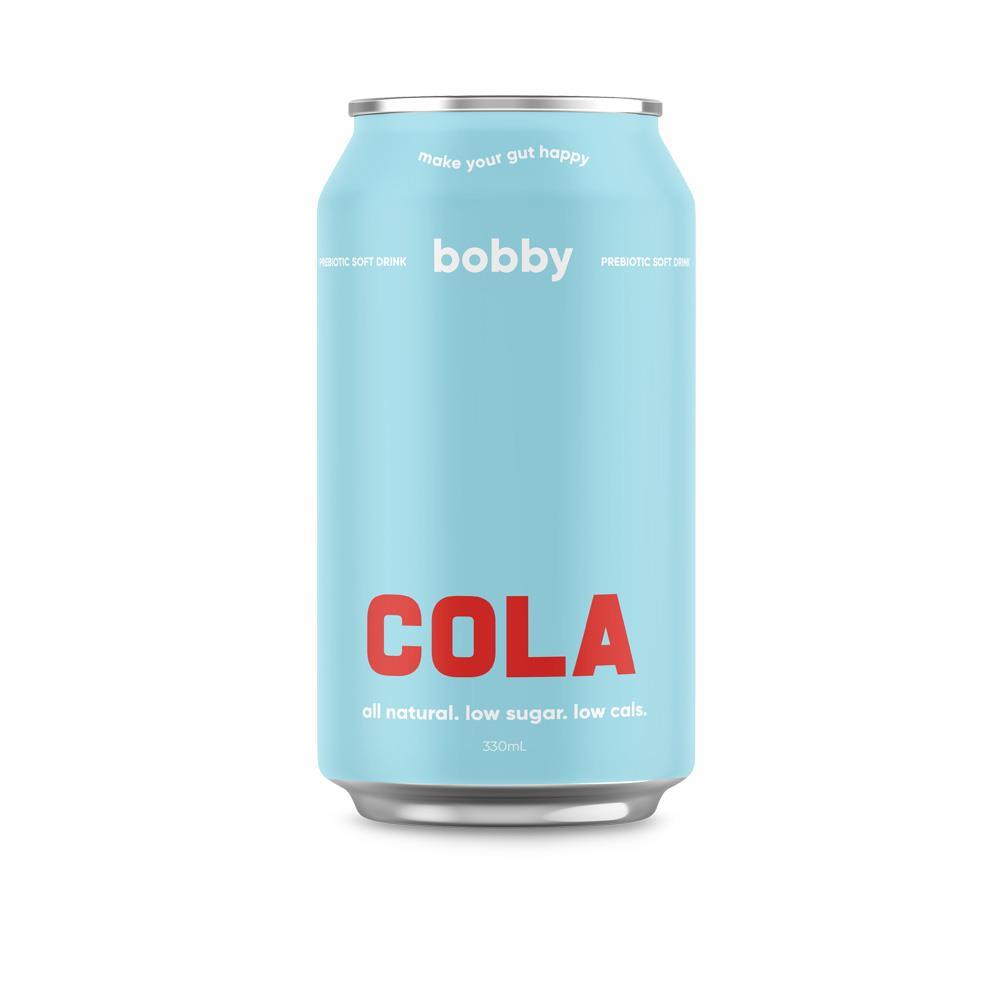
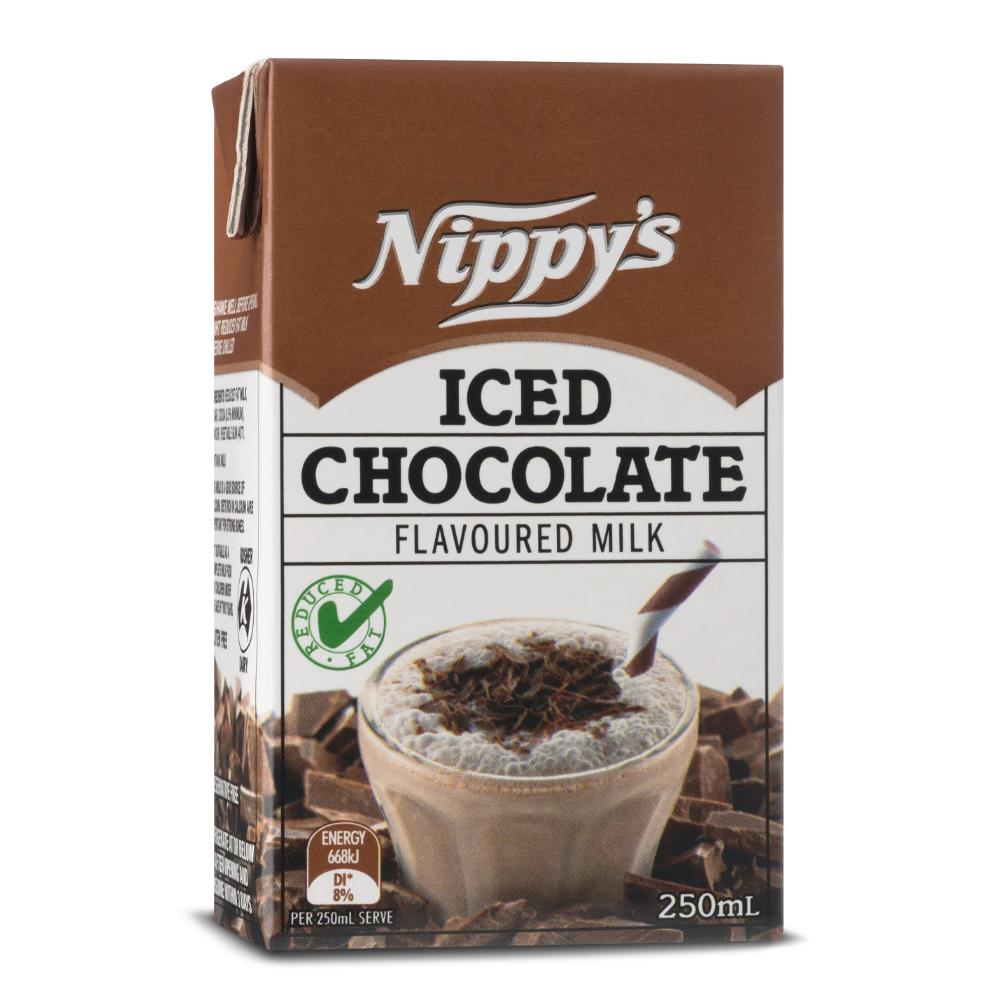
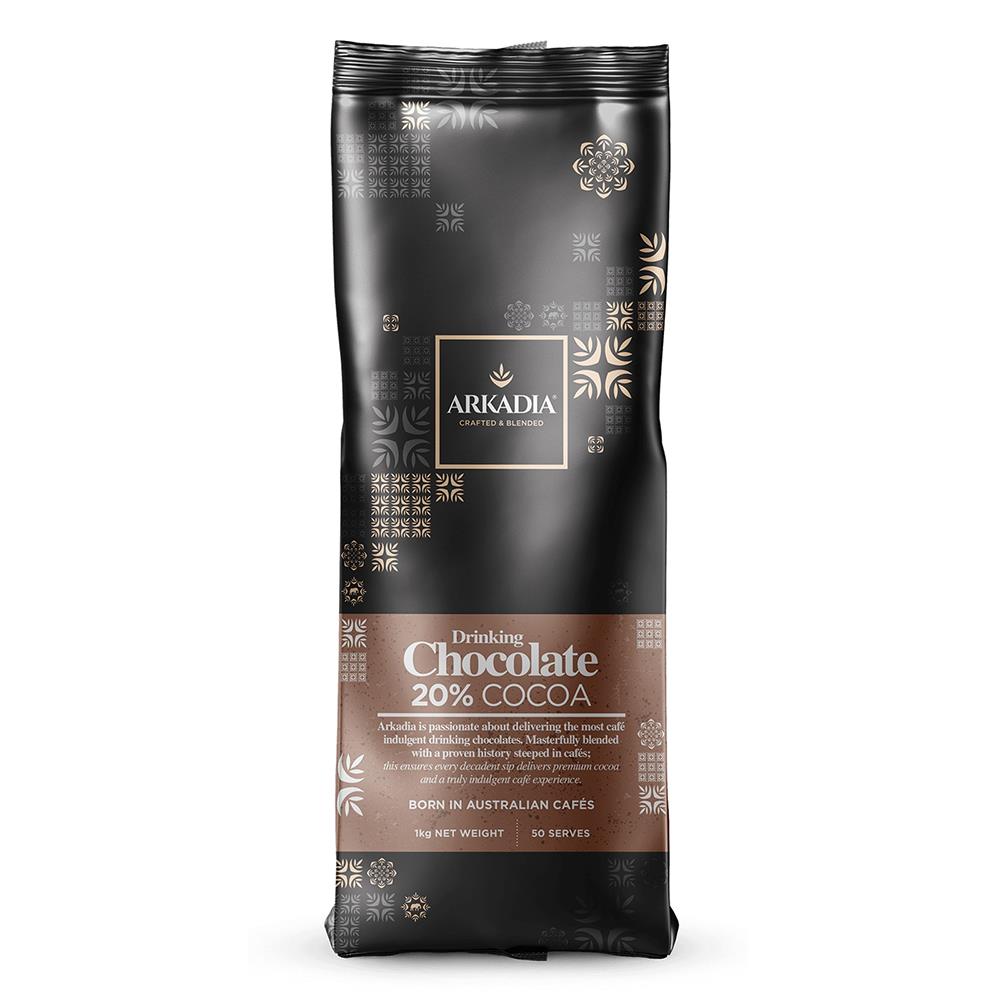
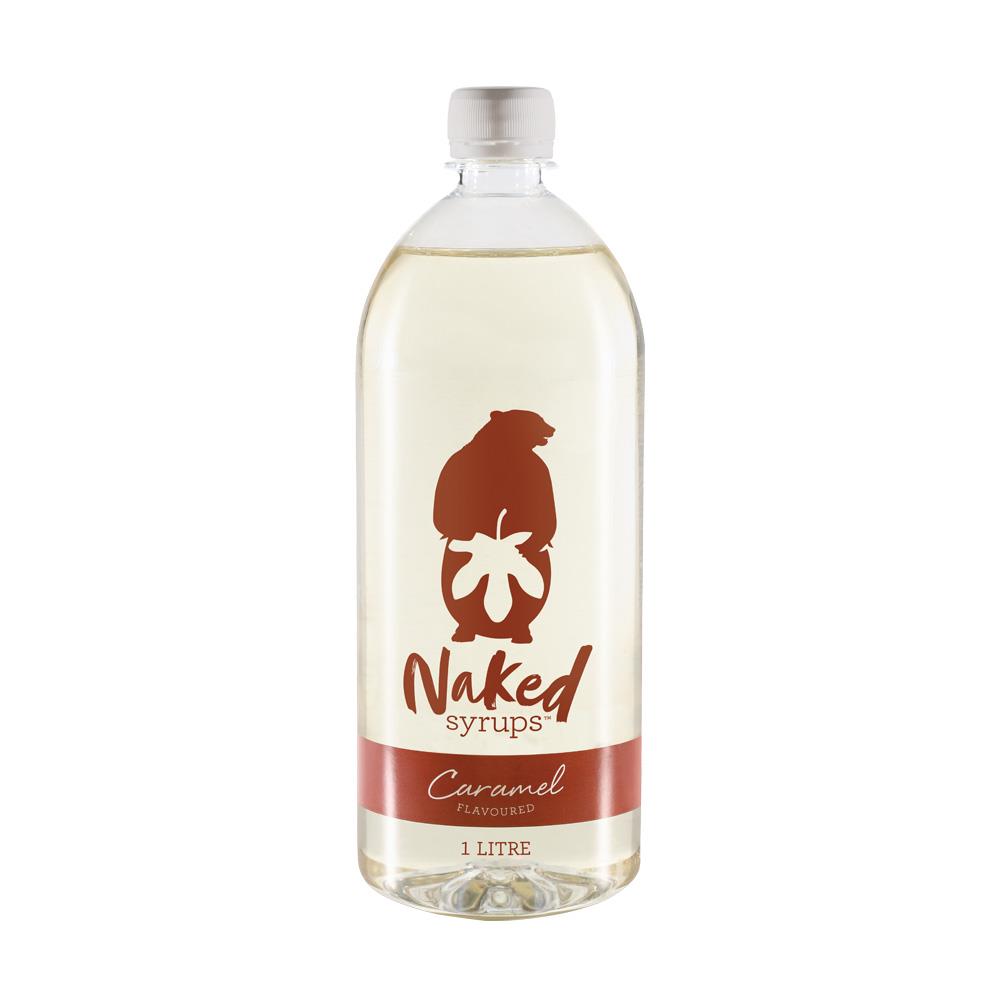
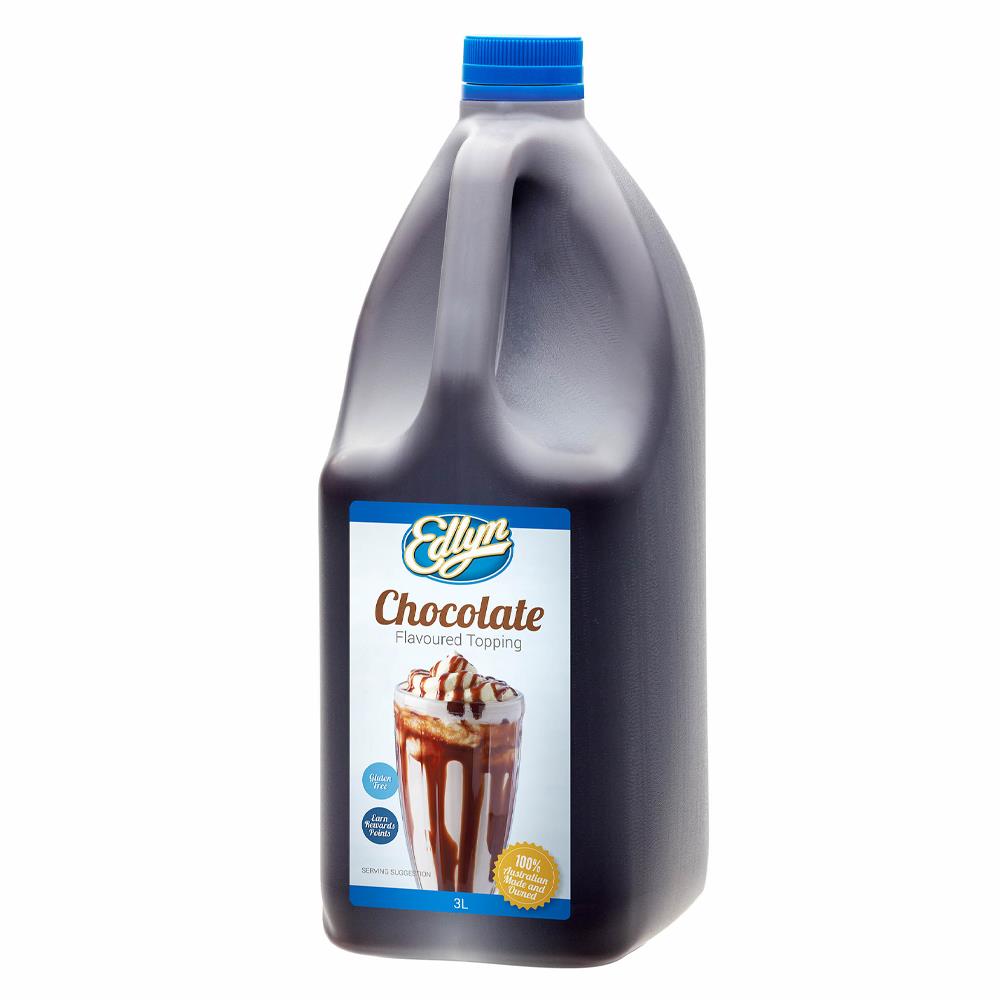
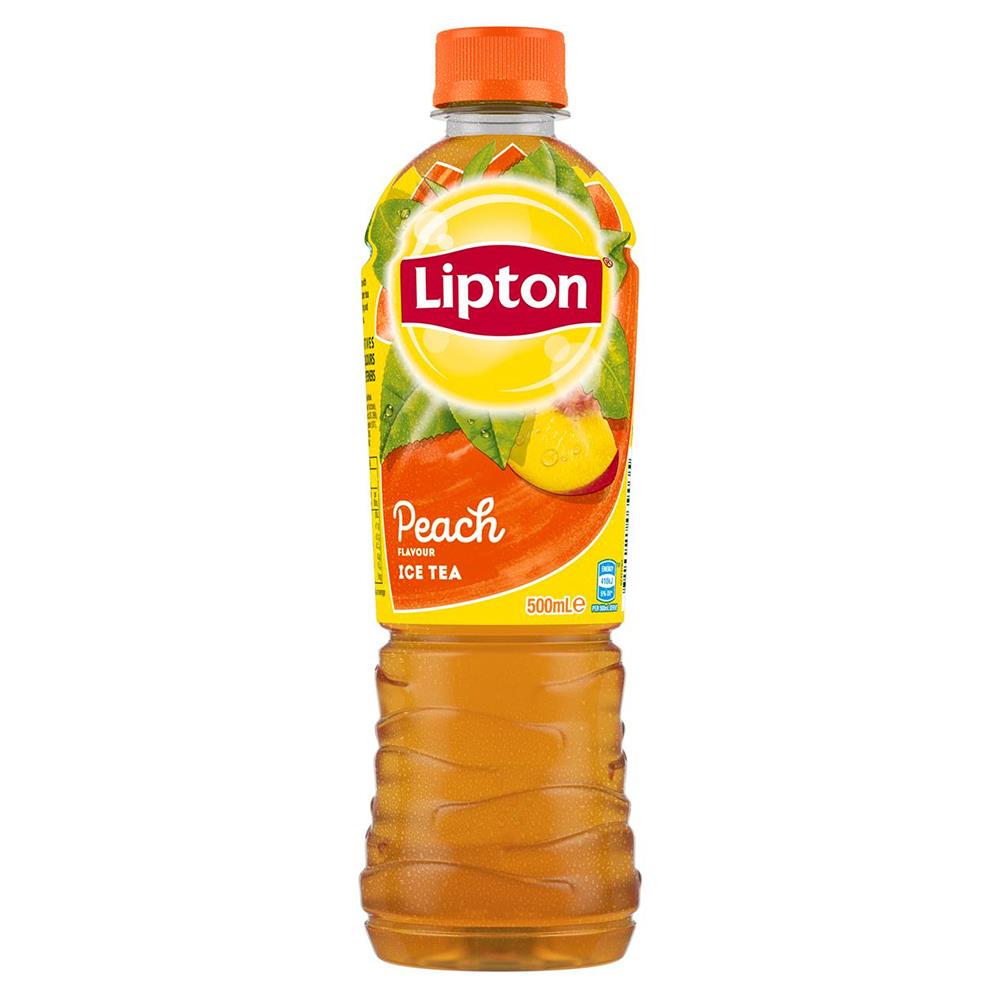
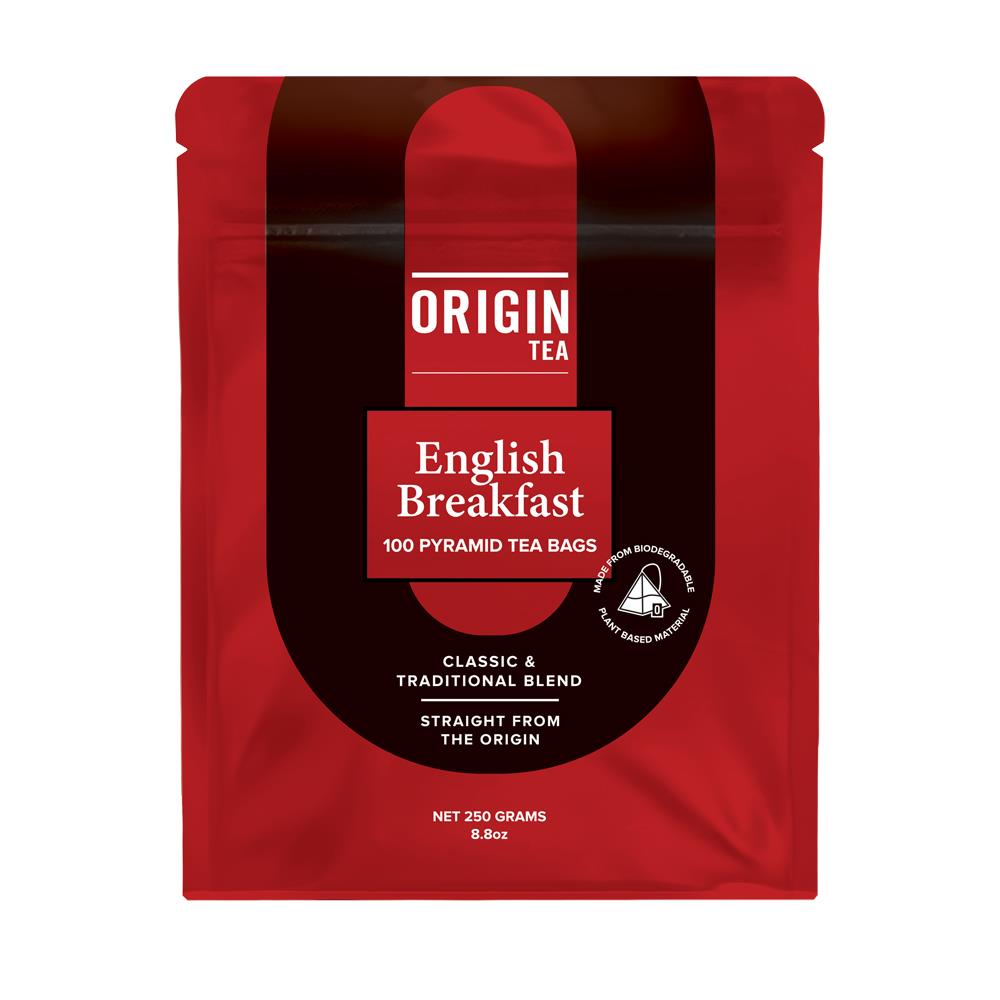
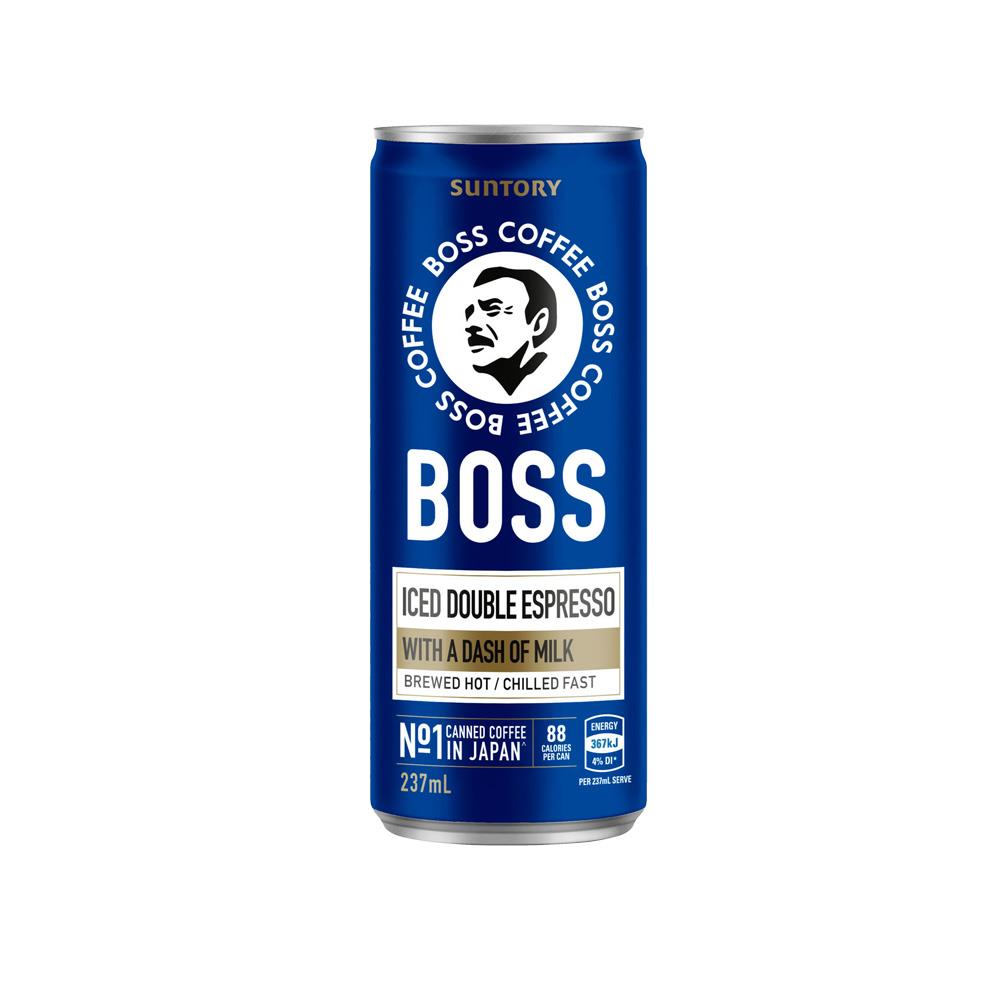
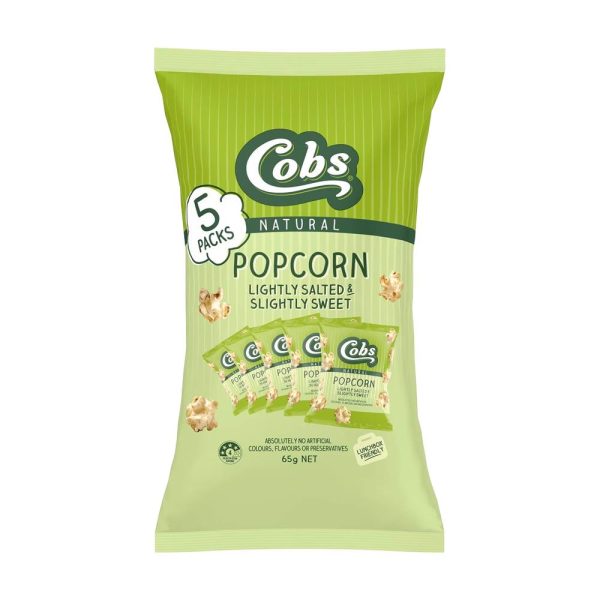
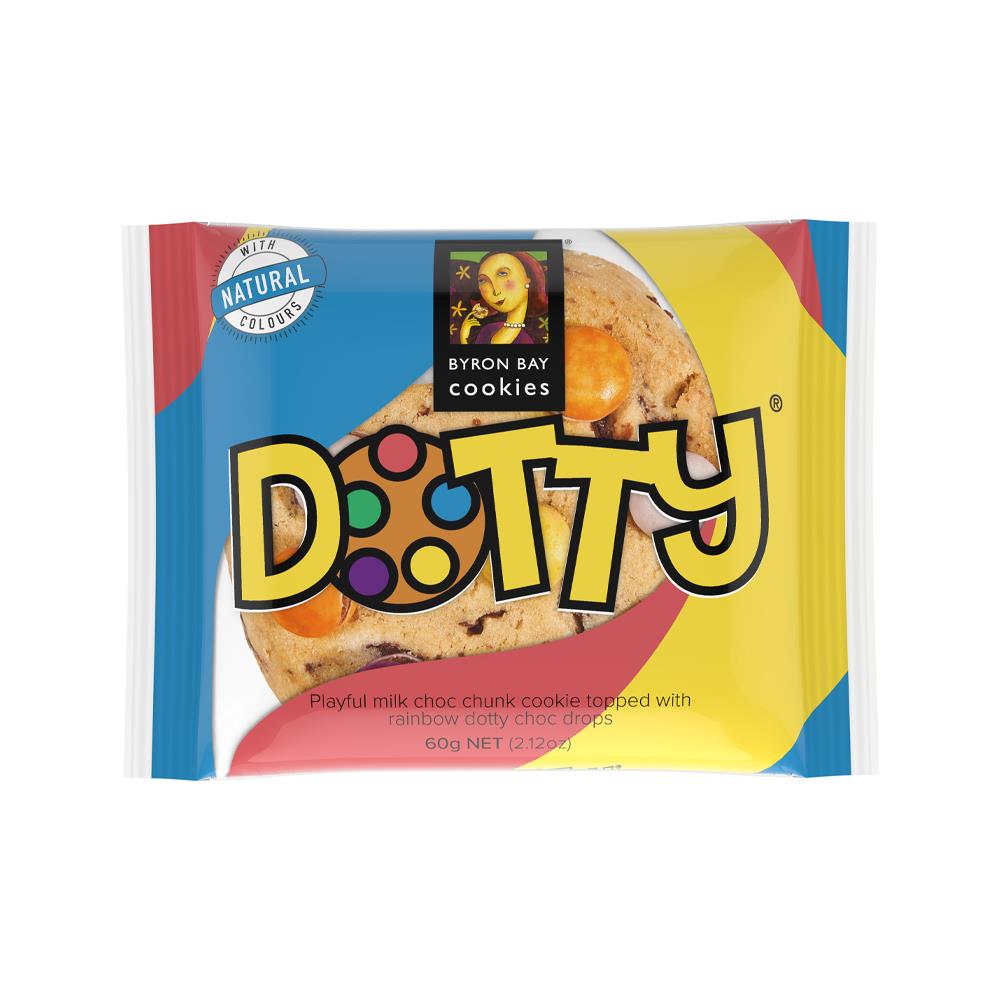
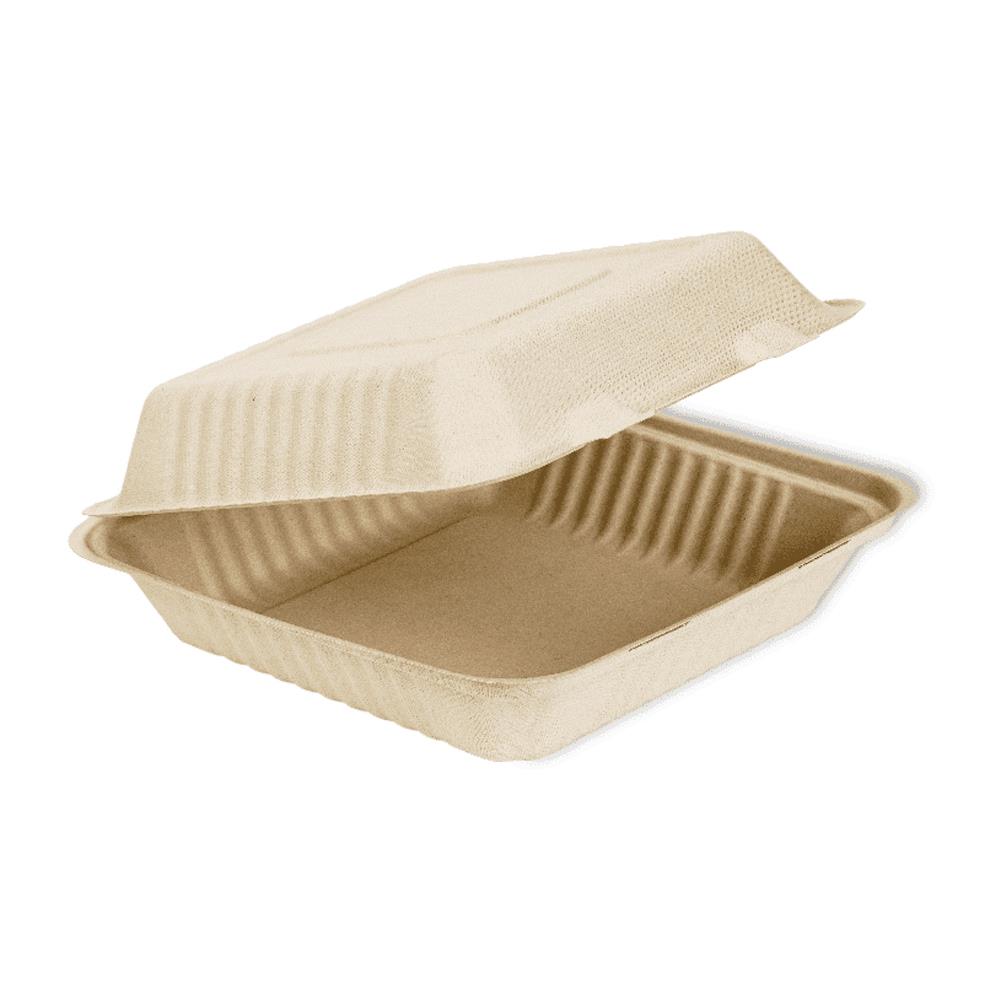
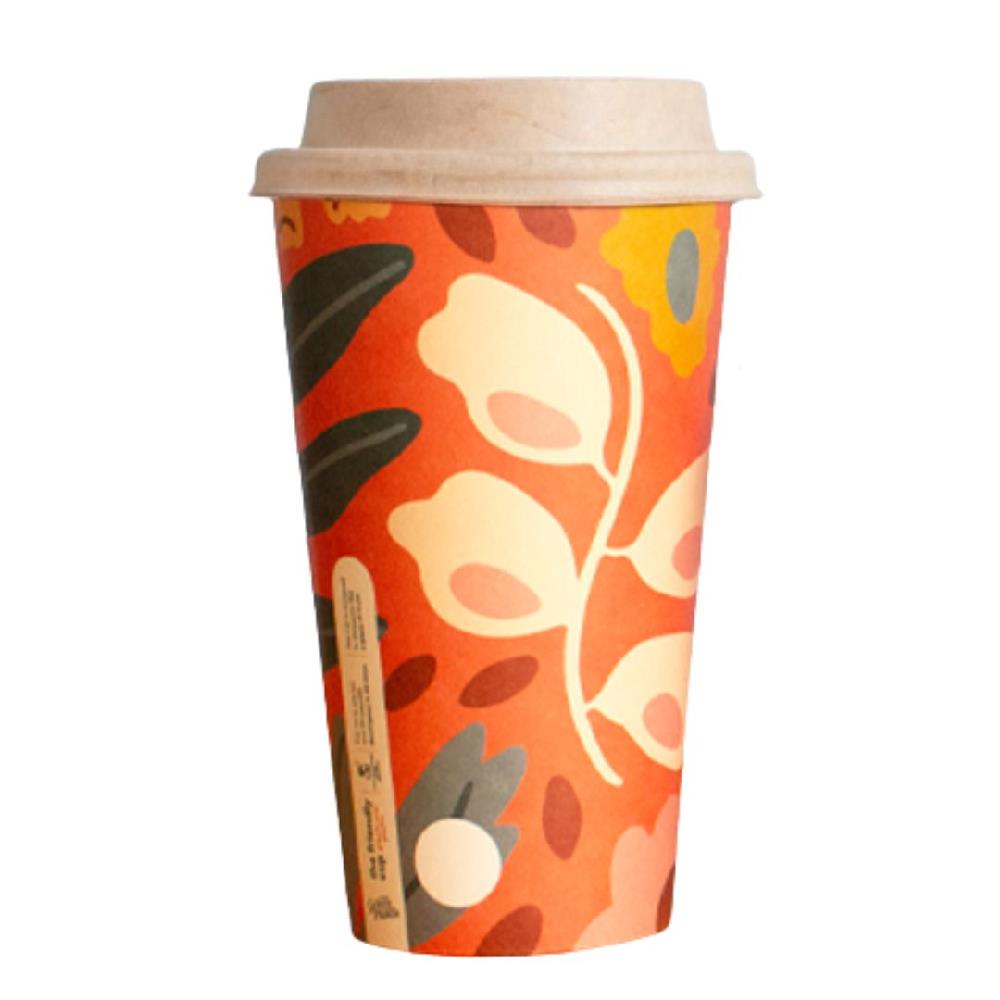
Most cafes buy the same core categories through their cafe supplier, even if the brand mix looks different from venue to venue. Drinks for cafes. Soft drinks (Coke, Pepsi, Solo, Schweppes), sparkling water (Waterford, San Pellegrino, StrangeLove), still and flavoured water, kombucha, iced tea, juice, energy drinks (Red Bull, V, Monster, Mother), and ready-to-drink iced coffee. Almost every cafe carries some version of each of these in the fridge. Wholesale pricing on a full mix here is where the biggest ongoing savings live. Barista milks and plant-based milks. Regular long-life dairy is one thing, but the plant milk category has become the busiest shelf in most cafes. More on that in the next section. Syrups, sauces, and toppings. Vanilla, caramel, hazelnut, salted caramel, chai concentrates, drinking chocolate, and dessert toppings. A cafe running four to six flavoured syrups on the menu is standard. These sit at the front of the machine and need constant restocking. Tea and coffee lines. Beyond the espresso beans (usually sourced from a specialty roaster), most cafes stock a tea range, iced tea for grab-and-go, and often a secondary iced coffee line to sell alongside barista-made drinks. Packaging and disposables. Cups, lids, straws, cutlery, and takeaway boxes. Not glamorous, but a cafe that runs out of 12oz cups on a Sunday morning has a problem. Snacks and impulse buys. Bars, chips, sweet treats, and grab-and-go items that lift the average spend at the counter. A good cafe wholesale supplier holds the full range across all of these categories, so you can build a single weekly order rather than piecing it together from four different accounts. You can browse the full cafe product range on our site to see how it comes together.The plant milk shift, and why cafe wholesale suppliers matter for it
Walk into any Australian cafe in 2026 and check the milk fridge. Full-cream dairy is still there, but it sits next to at least three plant milks, usually oat, almond, and soy, and often a coconut option as well. For a lot of venues, plant milk is now more than a quarter of what pours out of the group head. That shift changes what your cafe supplier needs to deliver.Barista-Grade vs Supermarket Plant Milk
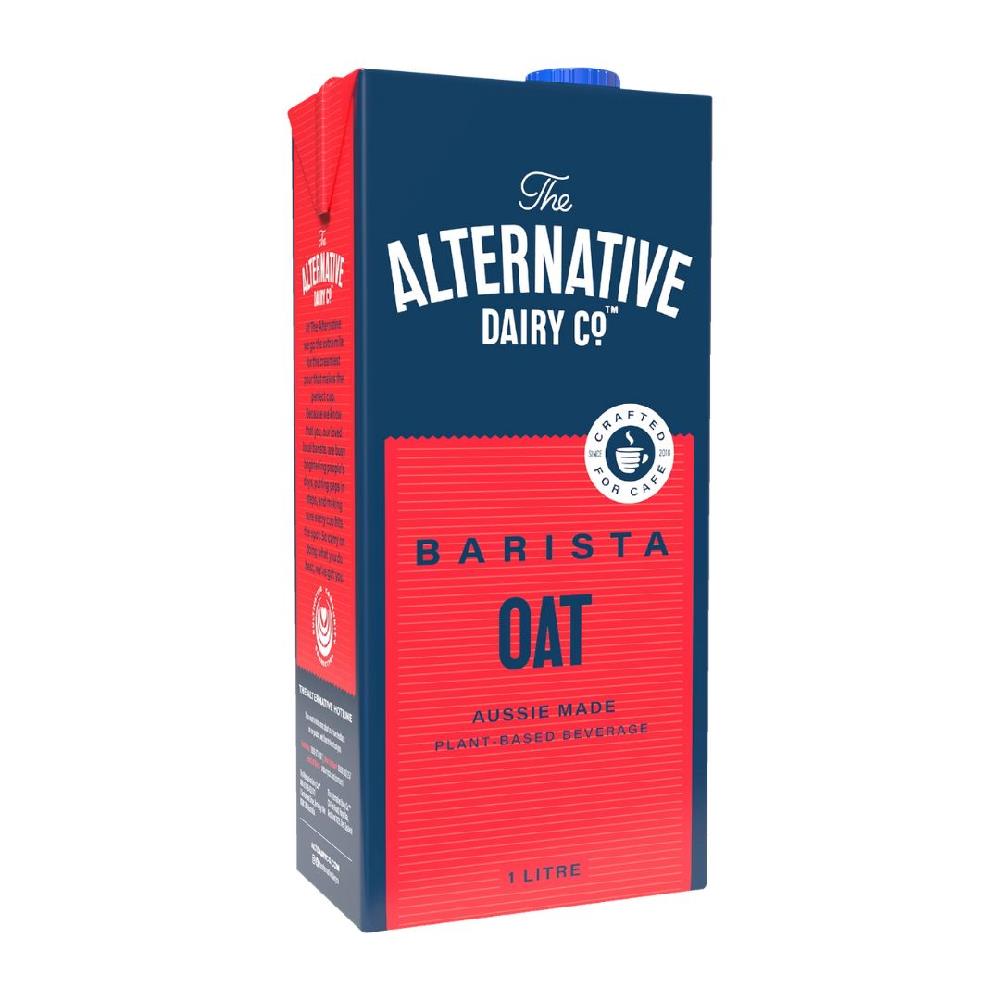
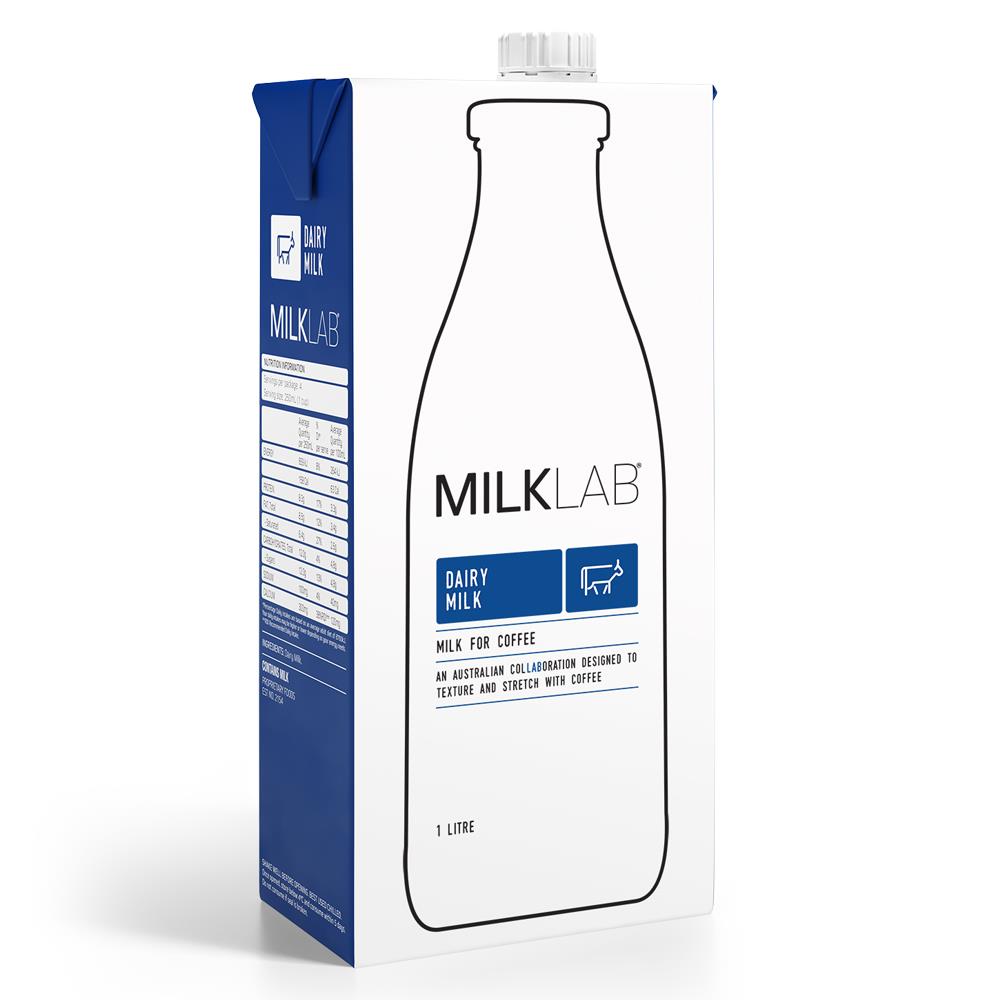
Barista plant milk isn’t the same product as the supermarket carton. Brands like MILKLAB, Alternative Dairy Co, Bonsoy, and Minor Figures formulate specifically for espresso, with the fat, protein, and stabiliser mix that lets the milk stretch, hold texture, and not split when it hits hot coffee. Home-use plant milk generally won’t do this.
How to choose a cafe wholesale supplier that fits your venue
Not every wholesale supplier is a good fit for every cafe. Before you sign anything, work through these five checks.- Assess your product mix and volume. Start with what you actually sell. If you’re a specialty venue running mostly espresso drinks, house-made syrups, and one plant milk, your supplier priorities look different from those of a high-volume takeaway cafe pushing 400 iced coffees a day. Write out your weekly product list first, then match a supplier to it.
- Check the range. Can one supplier cover soft drinks, plant milk, syrups, packaging, and snacks in one order? If yes, that’s a lot fewer delivery windows and invoices to manage. If they only carry drinks and you’re still juggling three other accounts for the rest, the wholesale value drops fast.
- Delivery frequency and reliability. Ask how often they deliver to your postcode, what the cut-off is for next-delivery orders, and what happens when a line is out of stock. A supplier that delivers weekly but is unreliable on stock availability is worse than one that delivers fortnightly and always has what you ordered.
- Minimum order values. Some cafe wholesale suppliers have high minimums that force you to overstock. Others have no minimum at all, which is useful for small venues, seasonal top-ups, or trialling new lines. Ask upfront.
- Account setup and support. How easy is it to open a wholesale account? Do you get a dedicated contact for orders and issues, or are you routed through a generic call centre? A good cafe supplier makes onboarding a 24-hour thing, not a two-week thing.
Quick Test
If you can’t get a straight answer on delivery frequency, stock availability, and minimum order value in one phone call, the account isn’t going to save you time later either.
What good cafe wholesale looks like in 2026
The best cafe wholesale suppliers in 2026 have moved past the old model of high minimums, long lock-in contracts, and slow delivery. What good looks like now:- ✓ No minimum order value, so you can top up a single carton when you need to
- ✓ Australia-wide delivery, not just capital cities
- ✓ Mix and match across brands and pack sizes in a single order
- ✓ A full range covering drinks, milks, syrups, tea, coffee, snacks, and packaging under one account
- ✓ Trade pricing without a lock-in contract
- ✓ Rotating monthly deals on the highest-volume lines
- ✓ A real person on the phone when something goes wrong