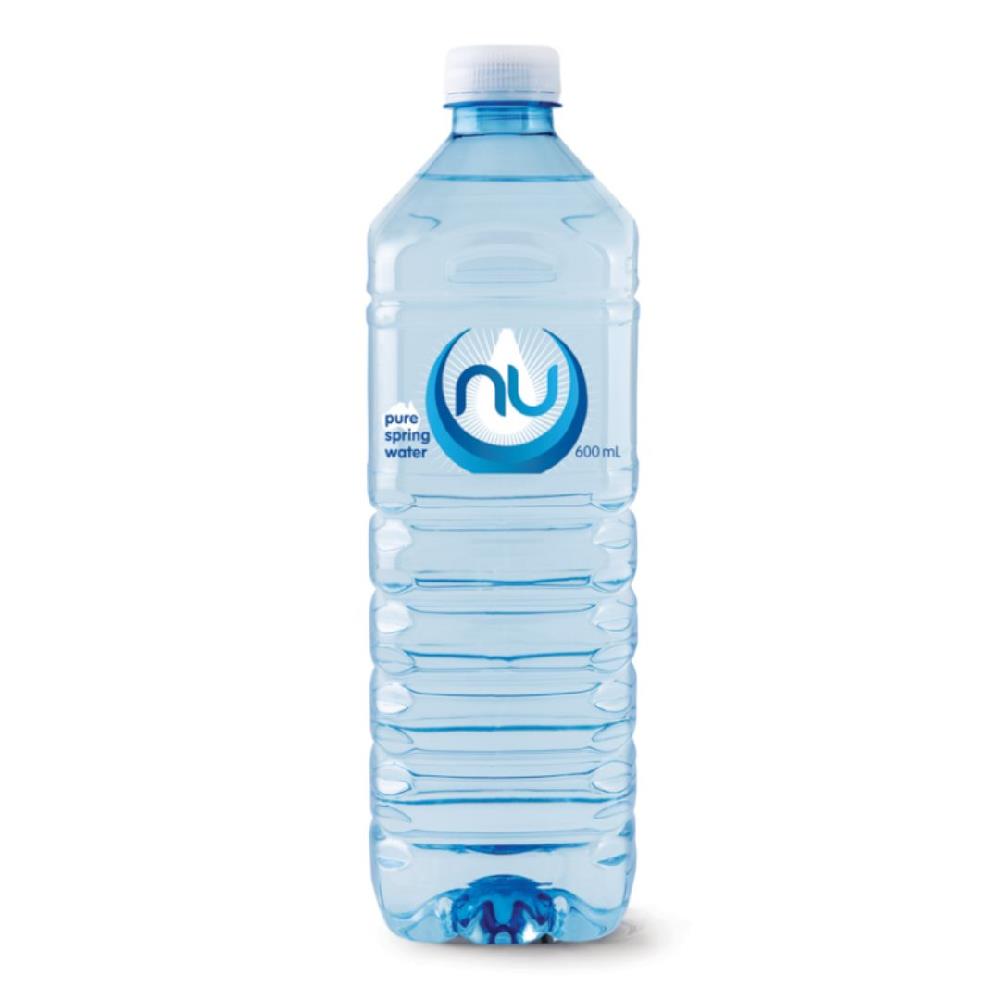
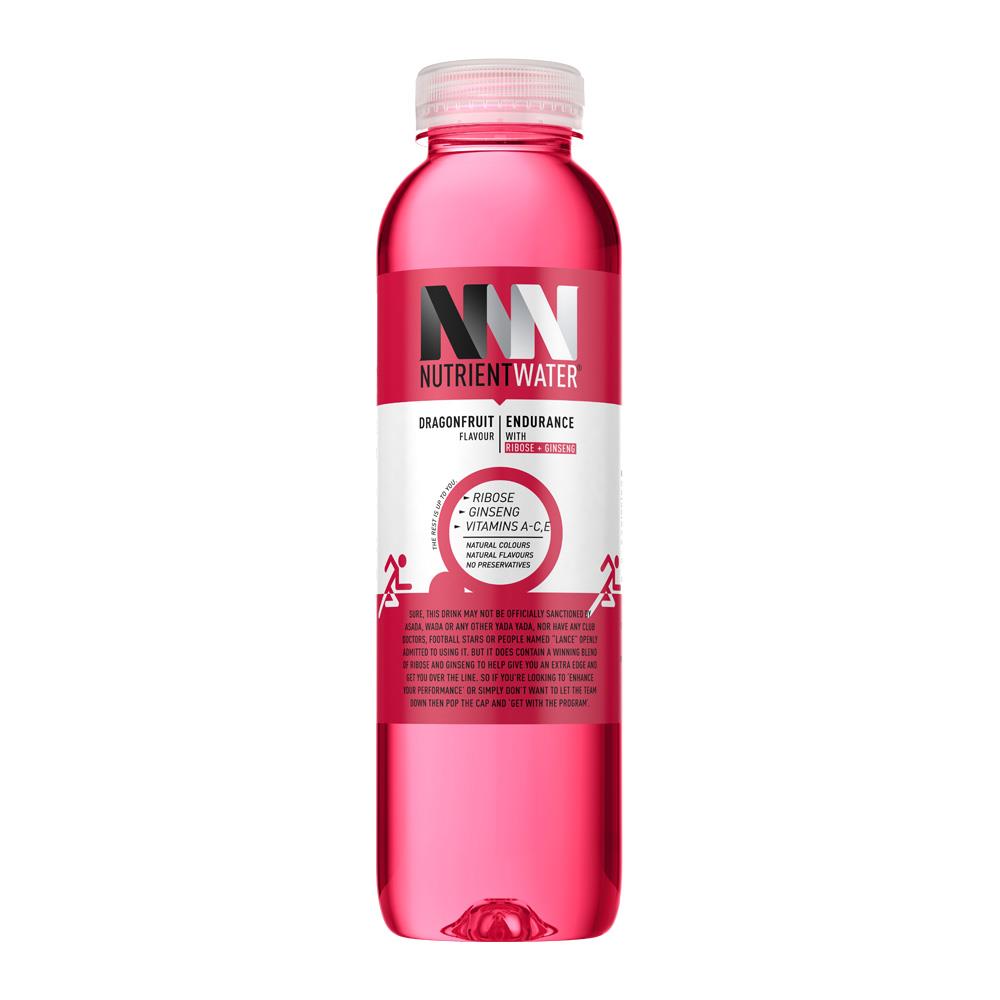
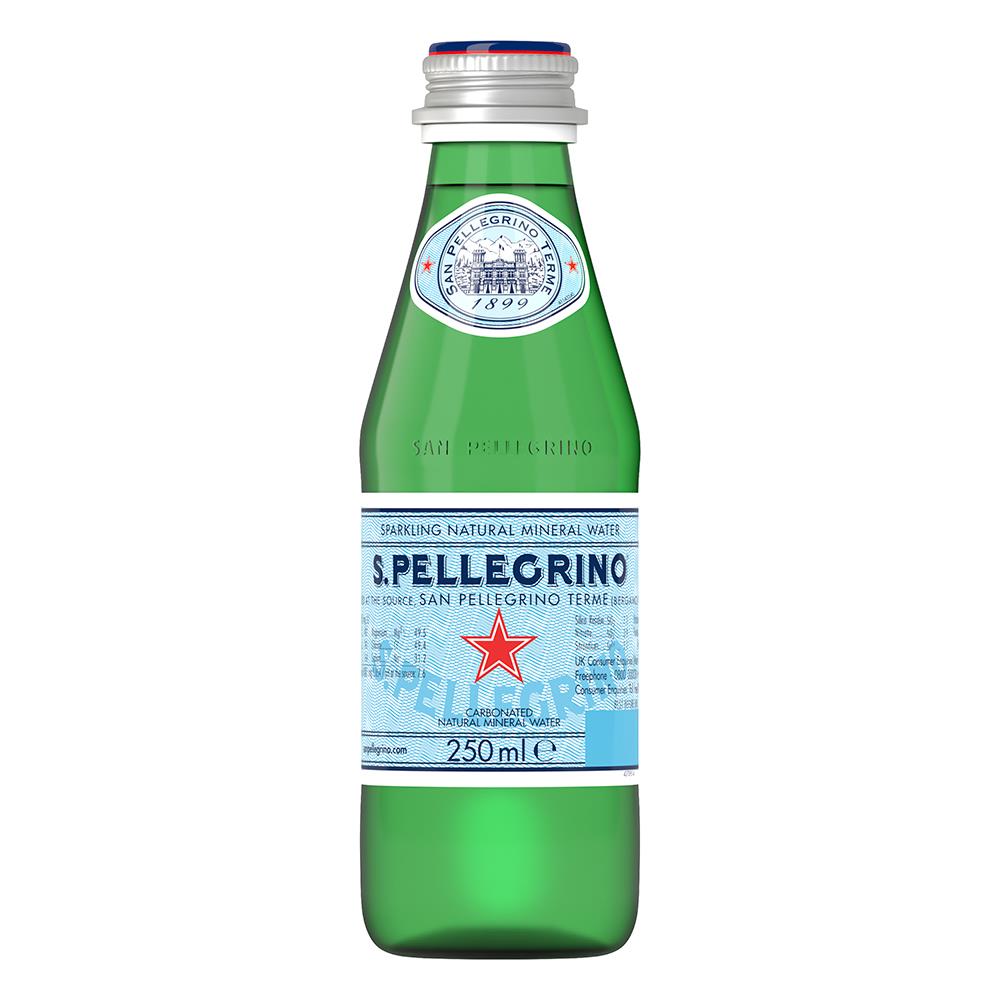
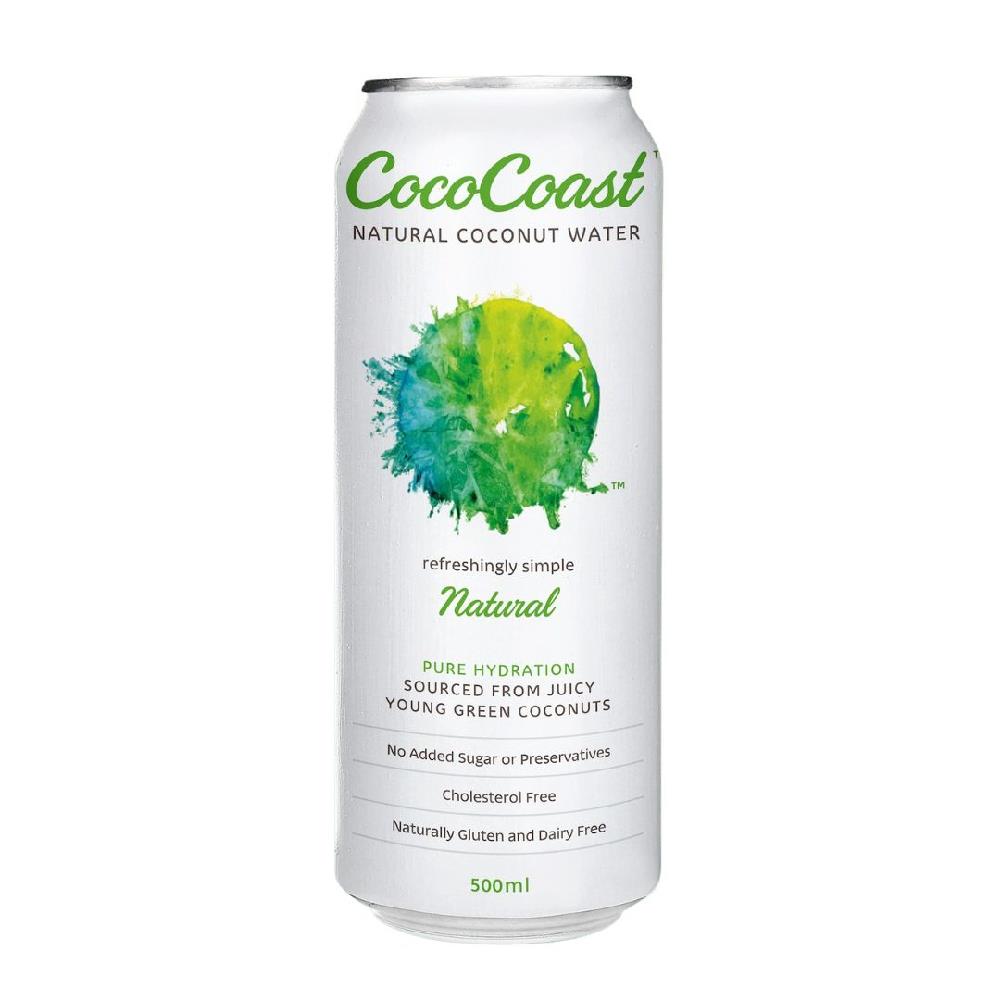
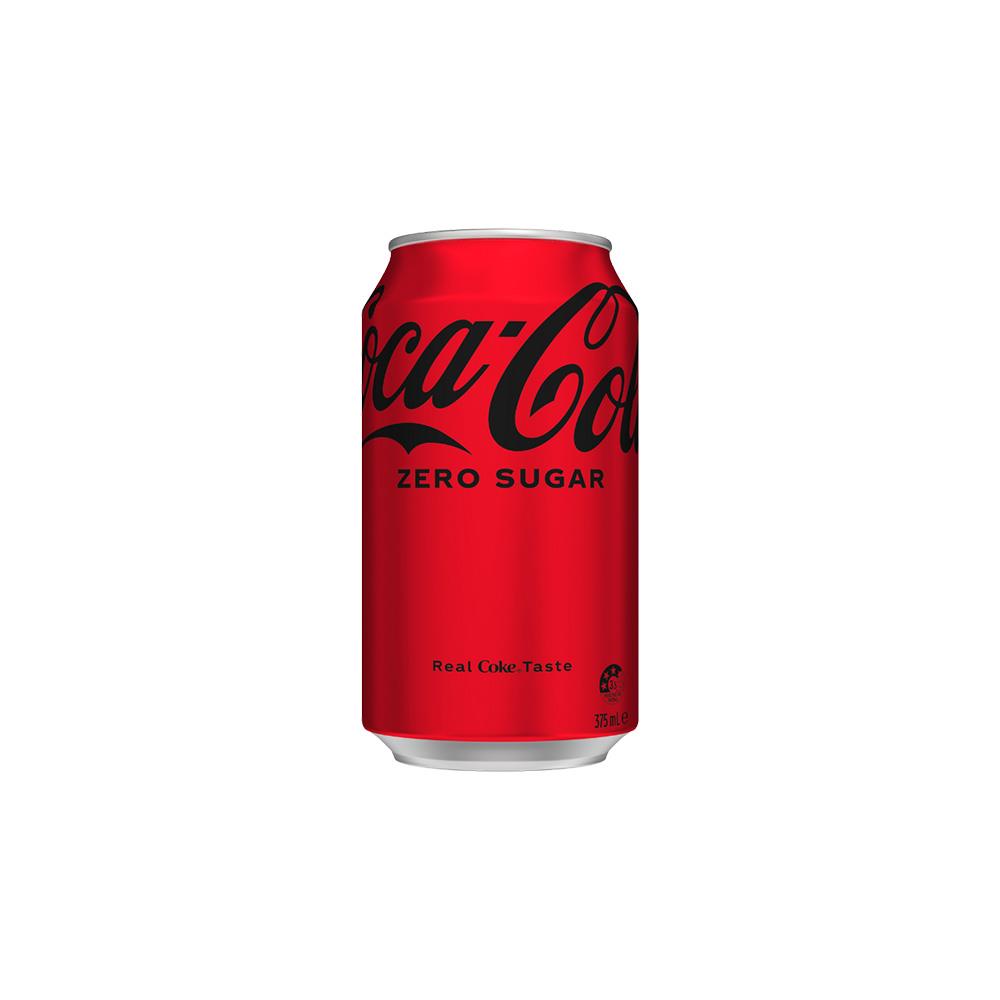
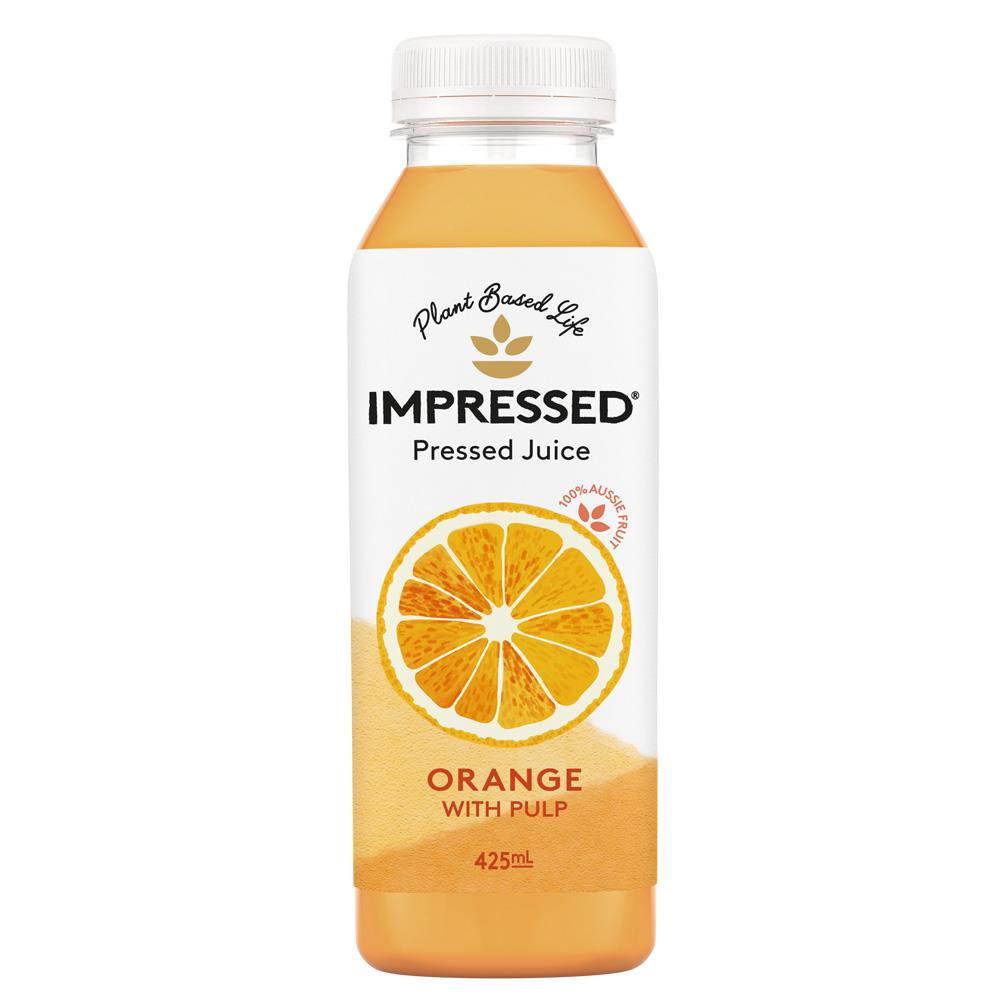
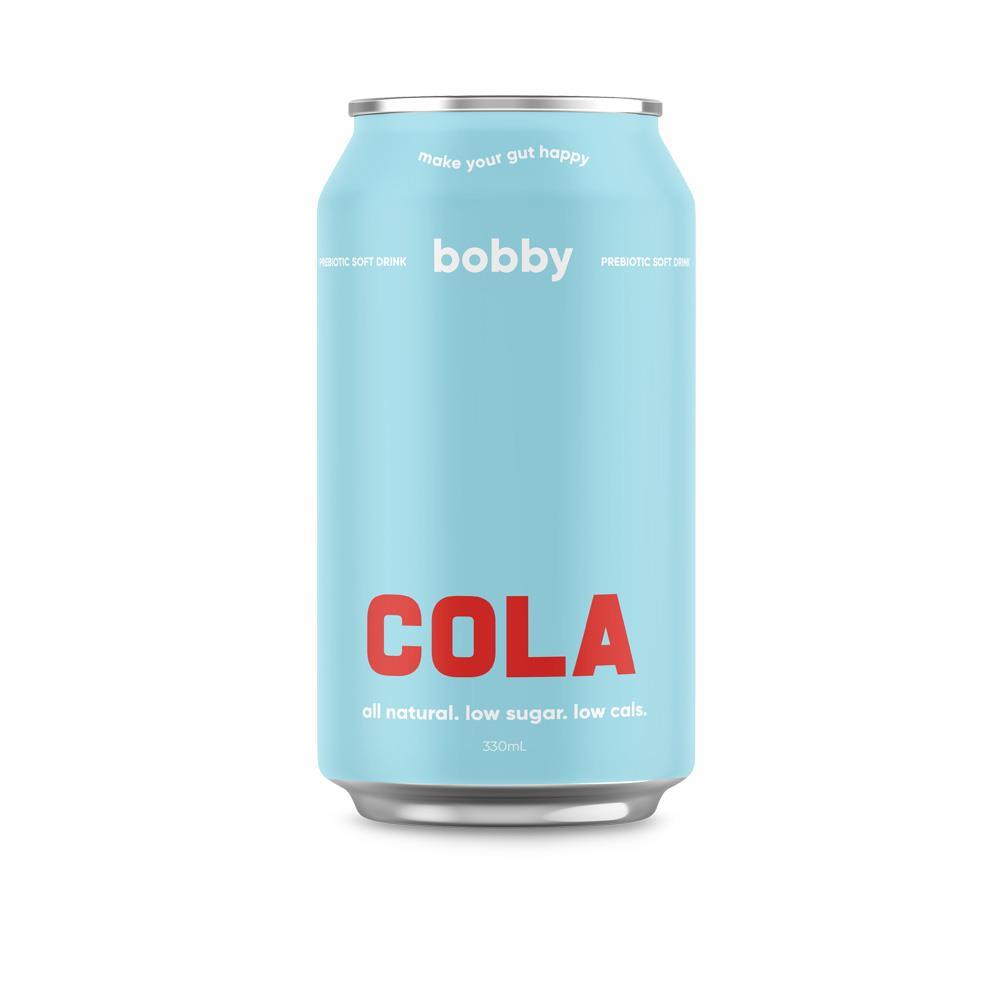


Walk into any modern Australian office or coworking space in 2026 and you will probably see it: a glass-door fridge, full of good drinks, working harder than it looks. The office drinks fridge has moved from a “nice extra” to a real market trend. A whole industry has grown around it, the return-to-office movement is pushing it forward, and smart businesses now use it as a tool to attract talent, build their brand and even make money. This guide explains what is driving the trend and how to be strategic with it, instead of just plugging in a fridge.
Why drinks fridges became a workplace trend
The main force behind the trend is simple: companies want to make office days attractive, not forced. Australian research tells a clear story. A study by Uber Australia found that more than one in two Australians would choose free food and drinks at work over a flexible-work policy, and almost 60% wish their office offered them. In another survey, free or low-cost food and drink was the number one benefit (81%) that makes employees enjoy being in the office. You can already see this happening locally: Swyftx, a crypto company in Brisbane, attracts its team with an in-house barista, kombucha on tap and free lunches.
One honest warning: perks alone will not win the commute. A fridge works best when it is part of a bigger effort to make people feel welcome and cared for at work. The fridge is simply the most visible daily sign of that care.
A whole industry is growing behind this trend
This is not just a feeling, there is a fast-growing industry underneath. Micro markets (small, open self-checkout shops with fridges and shelves) are replacing vending machines in Australian workplaces, from Sydney and Melbourne CBD towers to Brisbane and Perth business parks. Industry surveys show that 57% of office workers prefer micro markets over traditional vending machines. Even better: Australian operators usually install and restock everything at little or no cost to the employer, and earn their money from sales. For larger offices and coworking spaces, that makes upgrading very easy.
What’s trending inside the fridge in 2026
Functional and “calm” drinks. Kombucha (something Australia is famous for), prebiotic sodas and ginger shots keep growing. The global market for functional drinks is expected to pass US$1 trillion. The newest wave is calm drinks: sparkling waters with magnesium, and blends with chamomile or L-theanine, made to help people relax rather than speed up.
Sparkling and flavoured waters. Expected to pass US$29 billion globally by 2031, hydration that feels special and goes well with lunch.
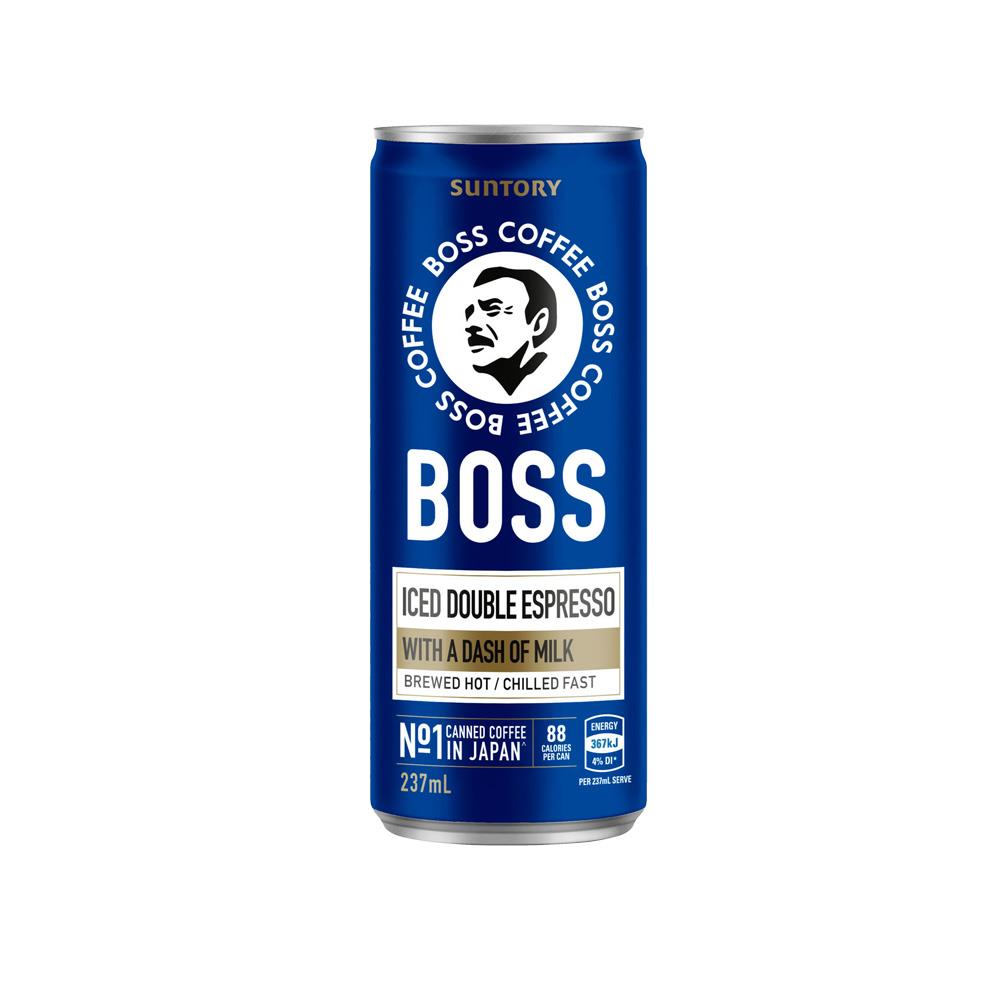
Cold brew, ready-to-drink coffee and protein drinks. People now expect café-quality drinks at work, and ready-to-drink formats are perfect for busy days.
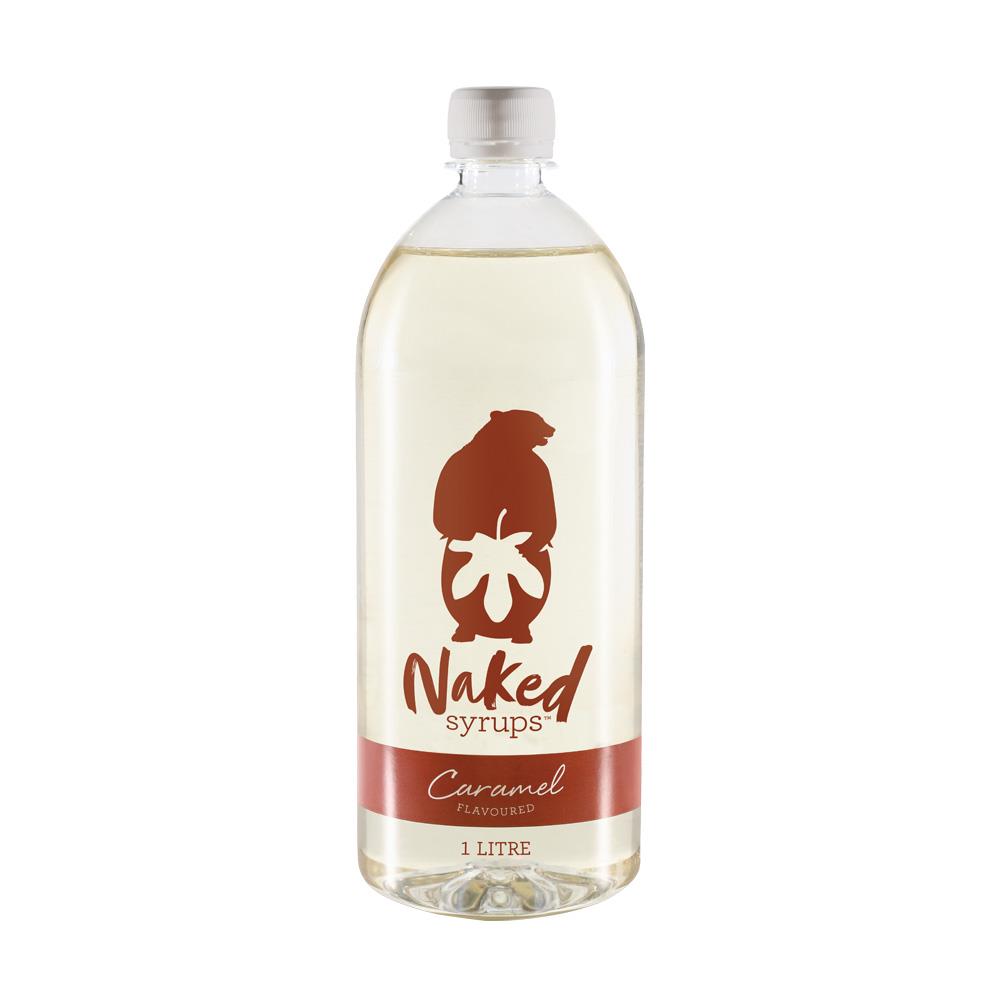
Local brands and beautiful packaging. Supporting Australian independent brands builds connection and since packaging influences buying decisions in 99% of cases, a fridge full of beautiful cans is free marketing.
3 ways to be strategic: people, brand, revenue
1st people. Use the fridge in your return-to-office and retention story. Mention it in job ads and internal messages: “we look after your workday” is a message talent hears. Candidates also notice a well-stocked fridge during an office tour.
2st brand. Choose drinks with personality. Support local Australian brands, keep the fridge neat and attractive, give the space a name, and share a “new this month” post on your social media. A special fridge becomes content people share.
3st revenue. For coworking spaces and larger offices, the fridge can become a product. Talk about your drinks selection in your sales tour and marketing, or partner with a micro-market operator and turn the fridge into a small self-serve shop (something competitors cannot copy quickly).
How to choose your drinks: the C.O.L.D. method
C — Crowd. Ask your people first (three questions are enough): what do they drink at work, what is missing, and do they have any restrictions: sugar-free, caffeine-free, alcohol-free. Never stock the fridge based on the manager’s personal taste.
O — Occasions. Think about the whole workday and stock a drink for every moment:
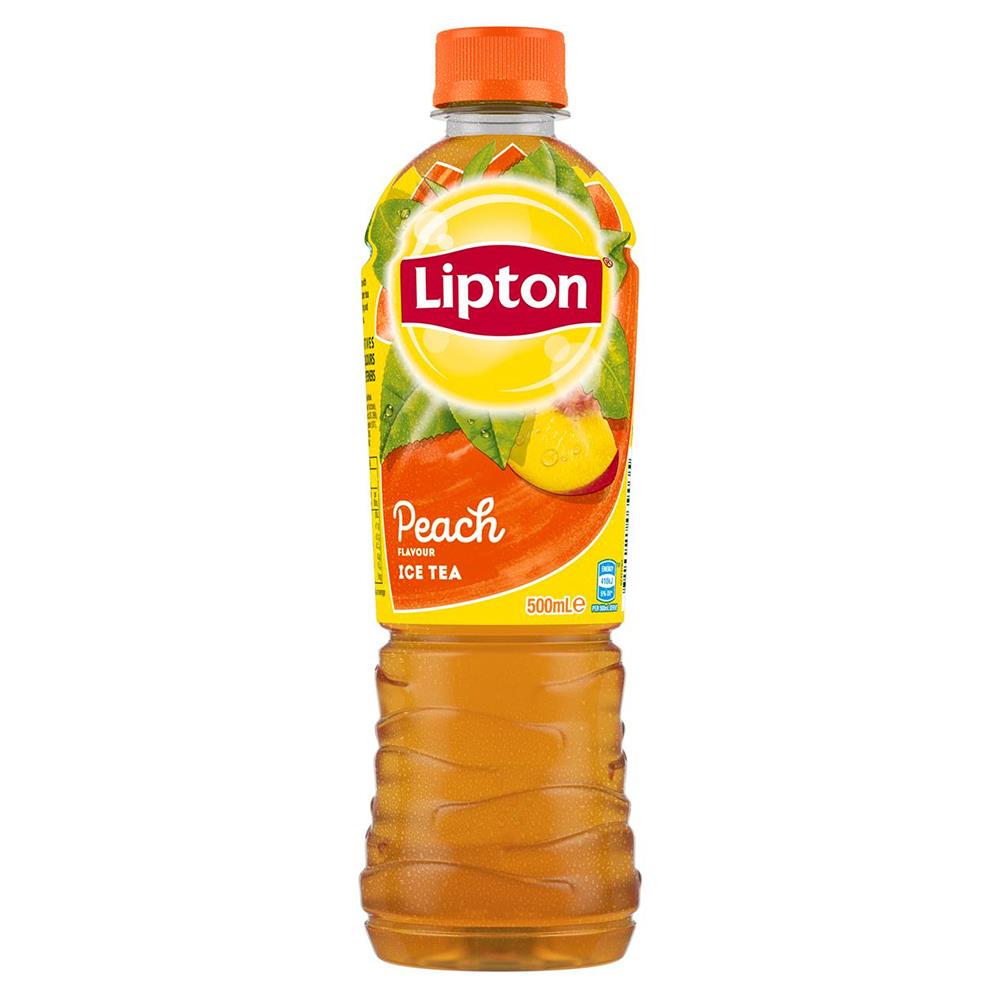
- Morning start: cold brew, ready-to-drink coffee and strong iced teas for the first hours of focus.
- With lunch: sparkling and flavoured waters, kombucha and light iced teas (fresh, low-sugar options that go well with food).
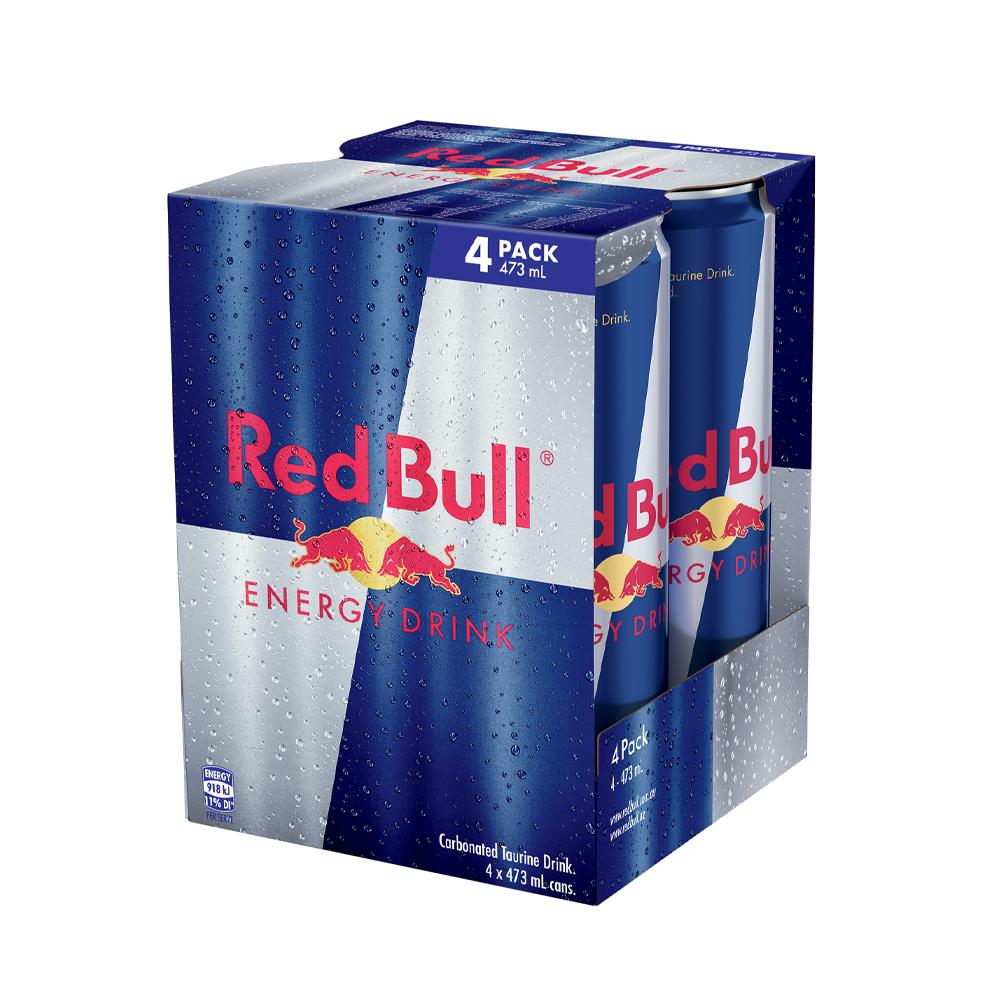
- The 3pm energy dip: energy drinks with simpler ingredients, matcha and yerba mate for the afternoon.
- Winding down: calming drinks with magnesium, chamomile or L-theanine (a fast-growing category that helps people relax after a big meeting).
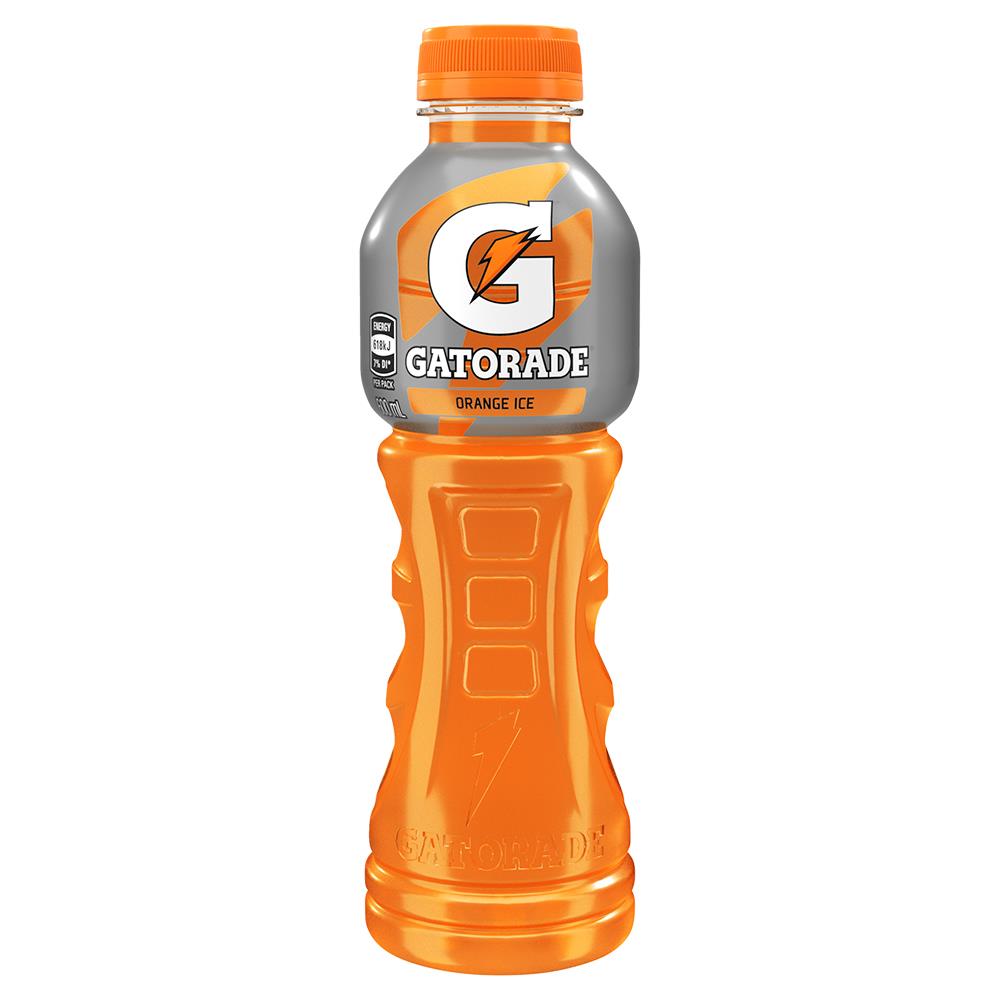
- All-day hydration: still and sparkling water as the base.
- Social moments: craft non-alcoholic beers and light options for Friday drinks.
In each group, follow the 70-20-10 rule: 70% safe favourites, 20% well-known trends, 10% new things to test.
L — Launches. Watch for new products: use Google Trends, visit independent bottle shops and specialty cafés, and go to trade shows like Fine Food Australia. The 10% “test” space is what keeps people talking about the fridge.
D — Data. Watch what sells out and what stays. Never let the fridge run empty on a Friday. Collect feedback with a QR code on the door. Every month, remove the worst performer and add something new. Change with the seasons too. For example: more sparkling waters and iced teas for the December–February summer.
FAQ
Are stocked drinks fridges really a trend in Australian offices?
Yes. They are at the centre of the race to make offices attractive again, and a whole industry has grown around them. Micro-market operators now serve workplaces across Australia’s major cities, and 57% of office workers prefer this format over traditional vending machines.
What are the best drinks to stock in an office fridge?
Cover the whole workday: cold brew and iced teas for the morning, sparkling water and kombucha with lunch, lighter energy drinks for the afternoon, calming drinks with magnesium or chamomile for winding down, and non-alcoholic options for social moments — with water as the base all day.
Do drinks perks help bring employees back to the office?
In Australia, yes. Research shows more than half of workers would choose free food and drinks over a flexible-work policy, and it is the benefit most likely to make office days enjoyable. It works best as part of a bigger effort to make the workplace welcoming.
Do micro markets cost the employer anything in Australia?
Usually very little or nothing. Most Australian operators install, stock and manage the market at little or no cost to the business, and make their money from sales. That is why they are popular with offices and coworking spaces.
Are office drinks exempt from FBT?
Light food and drink that employees consume at the workplace on a working day is usually FBT exempt in Australia. Alcohol and party-style events may not be — always check the current ATO guidance or ask your accountant.