

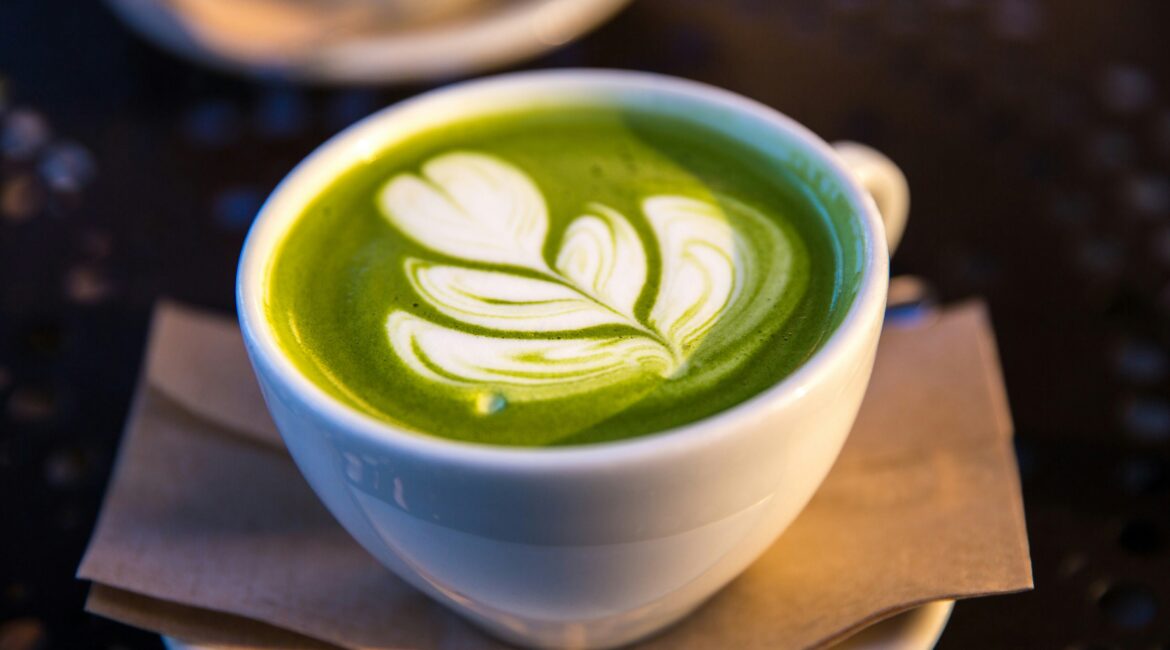
Matcha has moved from niche order to menu essential in Australian cafés. A 2026 report on Australian coffee habits from Hey You and Westpac DataX found matcha orders jumped 133% year-on-year, with customers under 35 leading the charge (The Guardian). If your café isn’t serving a great matcha latte yet, you’re leaving sales on the table.
Why Matcha Is Booming in Australia
Matcha is now a staple on Australian café menus, not a passing fad. Three things are driving demand for matcha drinks:
- Younger customers. Under-35s are behind most of the growth, and many order matcha instead of coffee, not as well as it.
- A gentler caffeine hit. A standard matcha serve has roughly 70mg of caffeine, compared with 80–100mg in a coffee. That appeals to customers avoiding the afternoon crash.
- It looks great. Matcha’s vivid green photographs beautifully, and social media keeps it front of mind.
The market data backs this up. Japan’s green tea exports to Australia rose 131% year-on-year from January to August 2025, making Australia its eighth-largest export market. Australia’s matcha market passed $54 million in 2024 and is forecast to exceed $81 million by 2030 (SBS News).
Customers are also happy to pay for it. An iced matcha latte now sells for around $8, about $2 more than a standard milk coffee. That premium makes matcha one of the most valuable drinks a café can add.
There is one catch: supply. The wholesale price of Kyoto-grown tencha, the leaf ground into matcha, rose 69% over the past year as hot summers cut Japanese harvests. Smart cafés are responding with precise dosing and flavoured matcha drinks that stretch every gram further. More on that below.
What Is Matcha?
Matcha is a finely ground powder made from shade-grown green tea leaves. Unlike regular green tea, where the leaves are steeped and thrown away, matcha is whisked straight into water or milk. Your customer drinks the whole leaf.
The tea plants are shaded for several weeks before harvest, which lifts chlorophyll and amino acids. That gives matcha its bright green colour and smooth, savoury umami flavour.
Matcha comes in two broad grades:
- Ceremonial grade uses the youngest first-harvest leaves. It’s vivid, smooth and naturally sweet, ideal for straight matcha or a premium latte.
- Culinary or latte grade uses later harvests. It’s a little more bitter and less vibrant, but it holds up well against milk, syrups and fruit.
For most cafés, a quality latte grade is the sweet spot for flavoured drinks, with a ceremonial option for purists. Grade labels aren’t regulated, so taste before you commit, and look for a first-harvest label on premium matcha.
Pure Matcha vs Matcha Latte Powder
Cafés can serve matcha two ways. Pure matcha is 100% ground tea, so you control the sweetness, strength and grade, but it takes more skill to prepare consistently. Matcha latte powders are blends built for speed and consistency during a rush, and many are pre-sweetened.
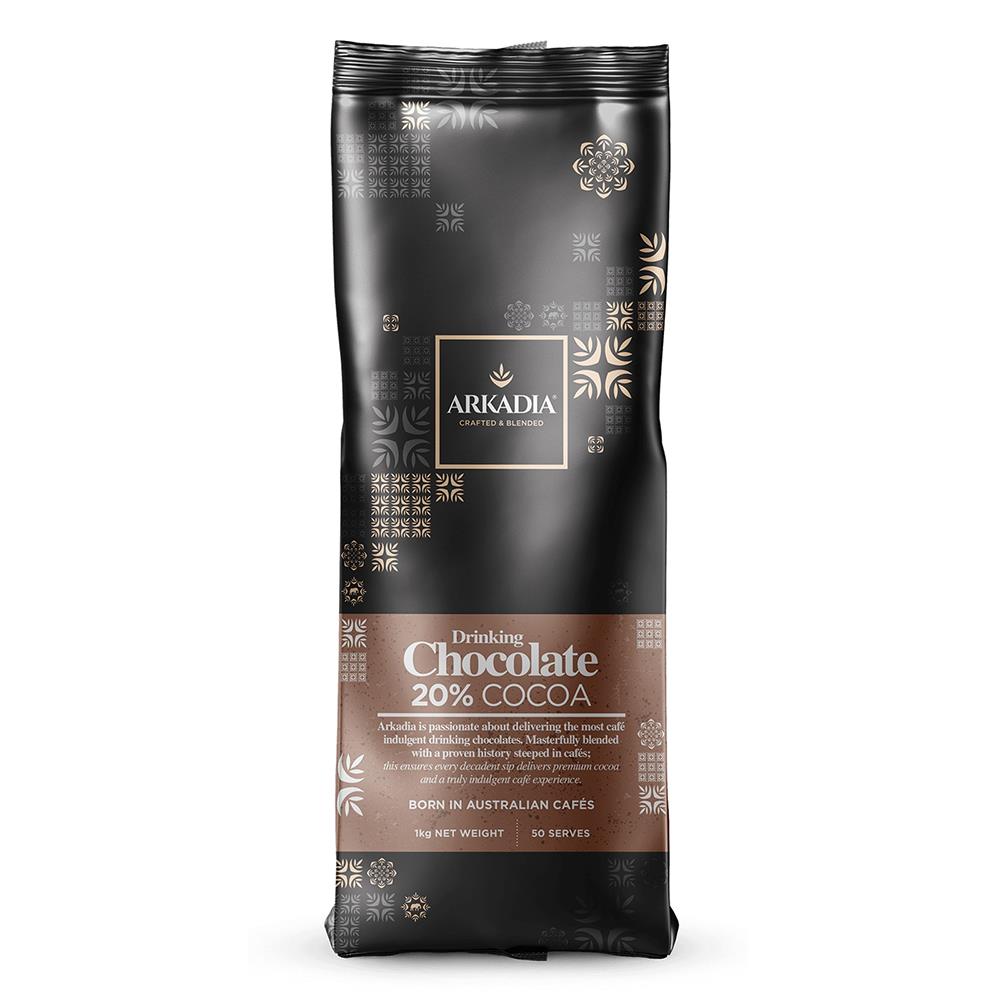
Whichever you choose, check the label for the recommended dose and sugar content. Kelly’s stocks matcha and matcha latte powders in our café powders range, including Naked Syrups Matcha Powder, Cosecha Organic Matcha Latte Powder and Arkadia’s matcha powder.
How to Make a Matcha Latte
A great matcha latte comes down to three things: the right dose, water below boiling and a lump-free paste. Boiling water scorches matcha and turns it bitter, so aim for 70–80°C.
The recipes below use pure matcha. If you’re using a matcha latte powder, follow the dose on the pack and go easy on extra syrup.
Hot Matcha Latte Recipe
Makes: 1 regular (about 240ml)
Ingredients:
- 2g matcha (about 1 level teaspoon)
- 40ml hot water at 70–80°C
- 200ml milk of choice
- Syrup or sweetener to taste (optional)
Method:
- Sift the matcha into a bowl or small jug to break up clumps.
- Add the hot water and whisk in a quick zigzag motion for 20–30 seconds until smooth and frothy. A bamboo whisk (chasen) or electric frother both work.
- Steam the milk to 60–65°C, as you would for a flat white.
- Add any syrup to the cup, pour in the matcha, then top with steamed milk. Finish with latte art.
Barista tip: Pre-weigh matcha into small containers before service. It keeps every cup consistent and stops expensive powder going to waste.
Iced Matcha Latte Recipe
Makes: 1 regular (about 350ml cup)
Ingredients:
- 2.5–3g matcha
- 50ml water (70–80°C or cold)
- 180ml cold milk
- Ice
- 10–15ml syrup (optional)
Method:
- Whisk or shake the matcha with the water until completely smooth. A cocktail shaker or lidded jar is fast and consistent during a rush.
- Fill a clear cup with ice and add syrup if using.
- Pour in the cold milk.
- Slowly pour the matcha over the top for the signature layered green-and-white look.
Barista tip: Ice dilutes the drink as it melts, so an iced matcha latte needs slightly more matcha than a hot one. Serve it in a clear cup so customers can see the layers.
What Is the Best Milk for Matcha?
Oat milk is the best all-round milk for matcha, but the right choice depends on the drink. Every milk changes the flavour, colour and texture of a matcha latte, so it pays to know how each one behaves.
| Milk | Flavour with matcha | Texture | Best for |
|---|---|---|---|
| Oat | Naturally sweet, softens bitterness | Silky microfoam | Hot and iced lattes, nut-free customers |
| Soy | Subtle bean note | Thick, stable foam | Latte art |
| Almond | Light and nutty | Thinner body | Iced matcha |
| Coconut | Rich and tropical | Creamy, heavier | Fruity iced drinks |
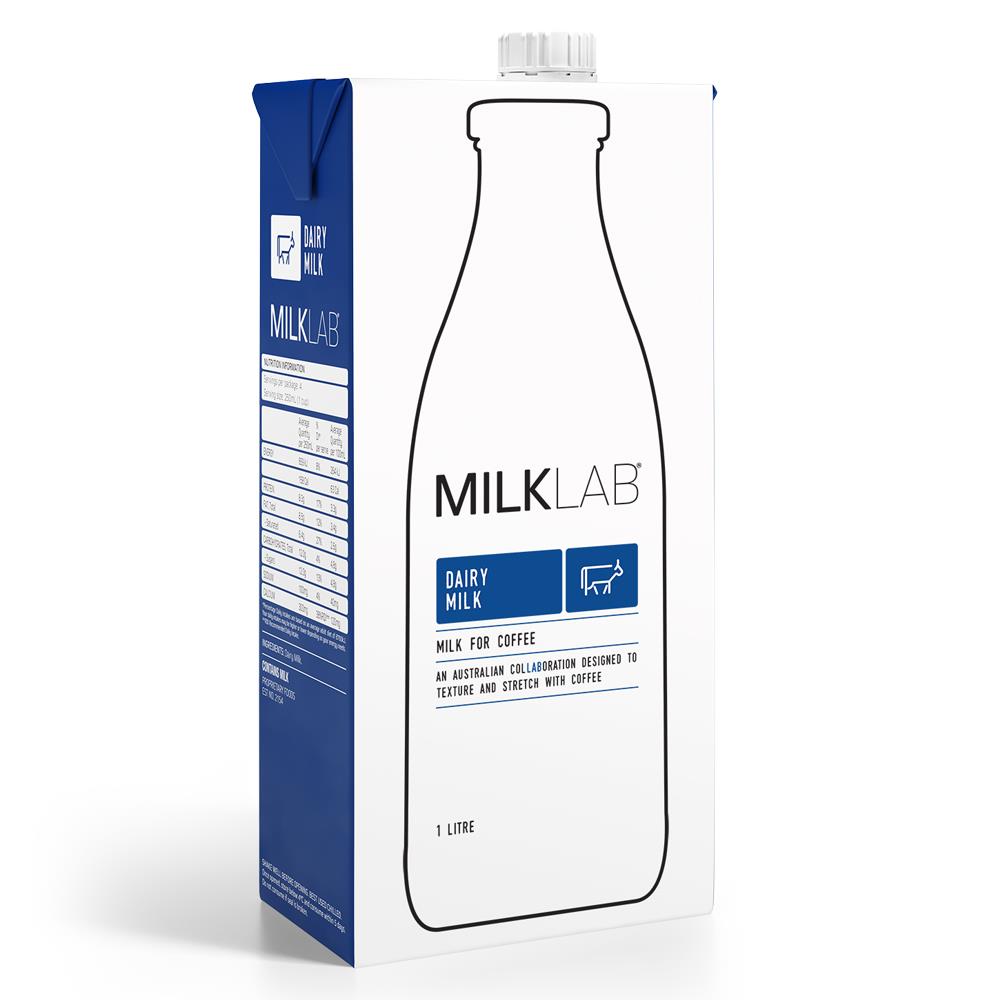
| Dairy | Classic and creamy | Easiest microfoam | Traditional matcha latte |
7 Matcha Drinks Australian Cafés Can Add to Their Menu
1. Iced Matcha Latte
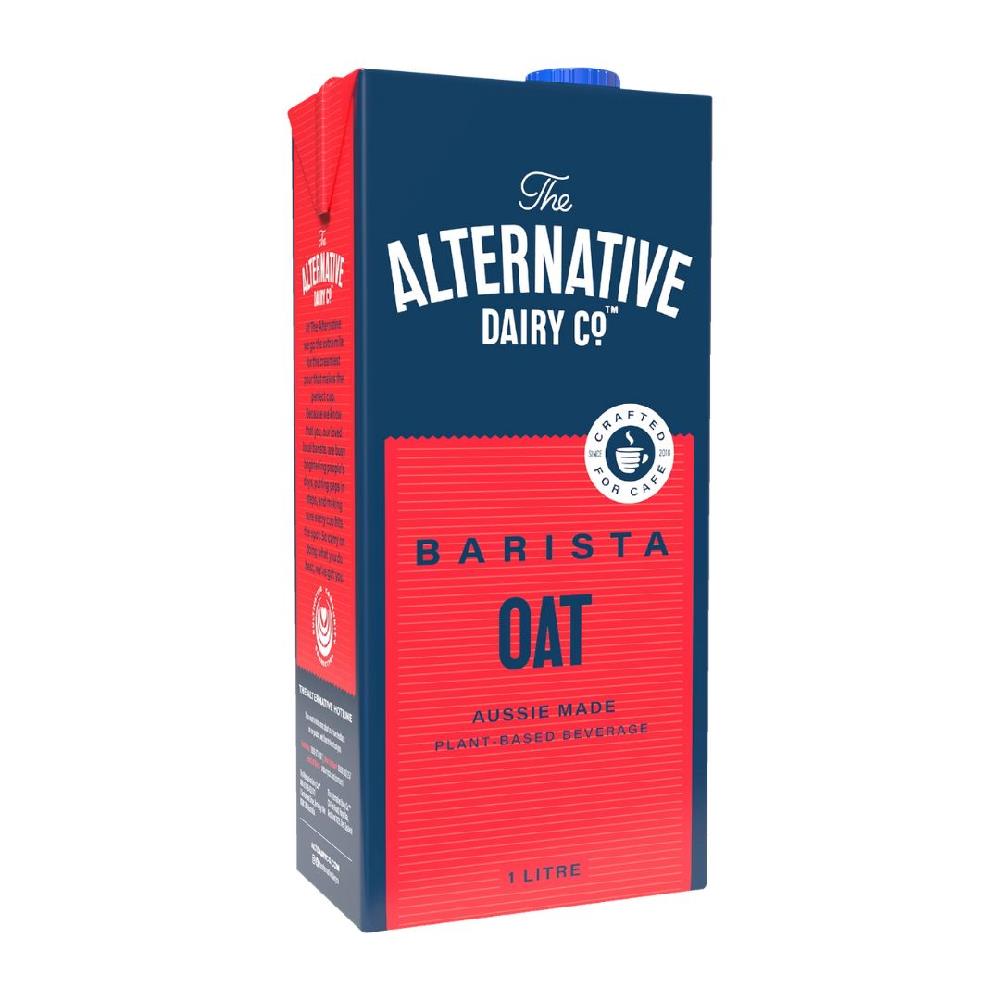
The gateway drink and the biggest seller in warmer months. Follow the iced recipe above and serve it in a clear cup to show off the layers. Make a barista oat milk your default pour, with dairy and other plant milks as options.
2. Strawberry Matcha Latte
Spoon 20–30ml of strawberry purée or strawberry syrup into a clear cup. Add ice and cold milk, then float the matcha on top. The pink, white and green layers make this one of the most photographed café drinks around. Find strawberry flavours in our café syrups range.
3. Mango Matcha
Layer mango purée over ice, add coconut or oat milk, then top with matcha. Sweet mango tames matcha’s bitterness, making it a great first matcha for new customers. It’s a natural fit for a Queensland summer menu.
4. Vanilla Matcha
Add 10–15ml of vanilla syrup to a hot or iced matcha latte. It’s the simplest upsell on the list and softens matcha’s grassy notes for first-timers. Try a vanilla from our syrup range, with brands like Naked Syrups, Alchémy, Edlyn and Arkadia, and pair it with macadamia milk for a premium twist.
5. Coconut Matcha
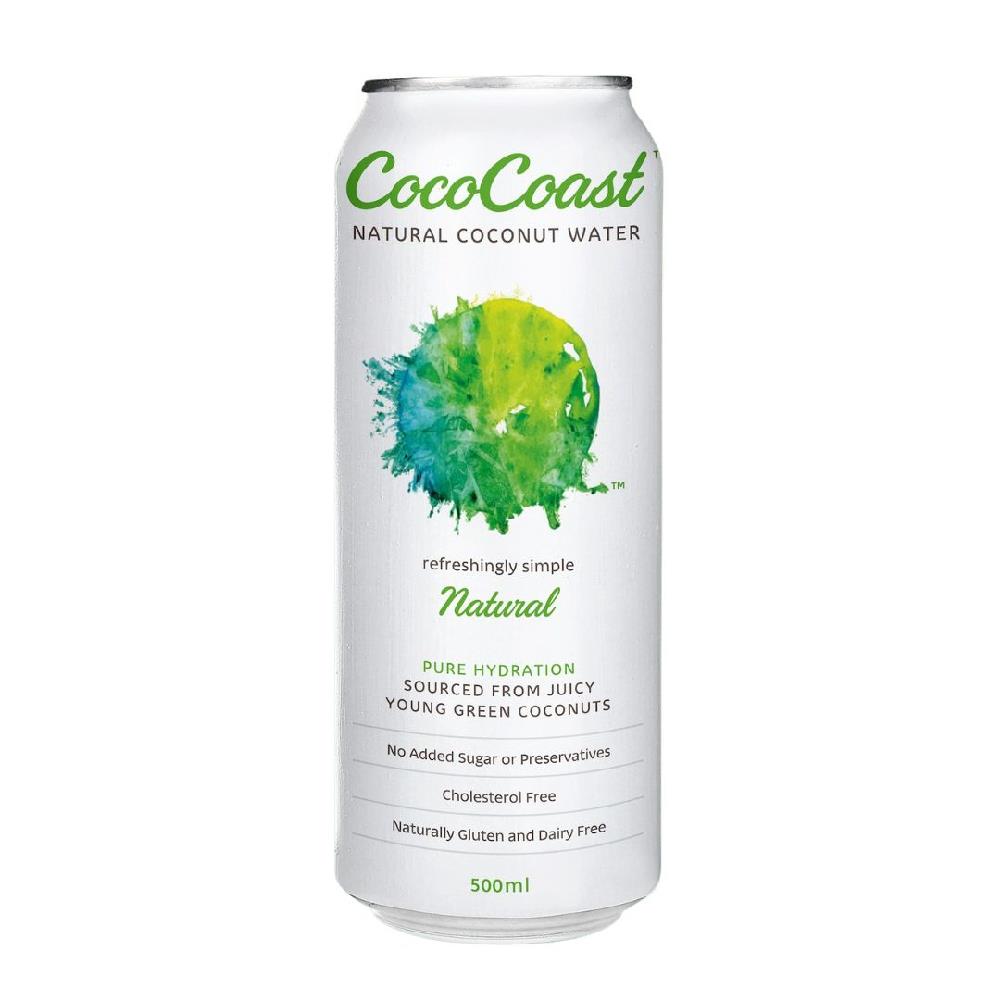
Combine coconut milk and a splash of coconut water over ice, then pour matcha on top. It’s light, dairy-free and refreshing on hot days. A coconut water from our coconut water range adds natural sweetness without syrup.
6. Matcha Protein Smoothie
Blend 2g matcha, a frozen banana, 250ml oat or soy milk, a scoop of vanilla protein and a handful of ice. It’s a filling breakfast-on-the-go for the gym crowd, and it moves plant-based milk fast. Stock up from our protein range.
7. Matcha Lemonade
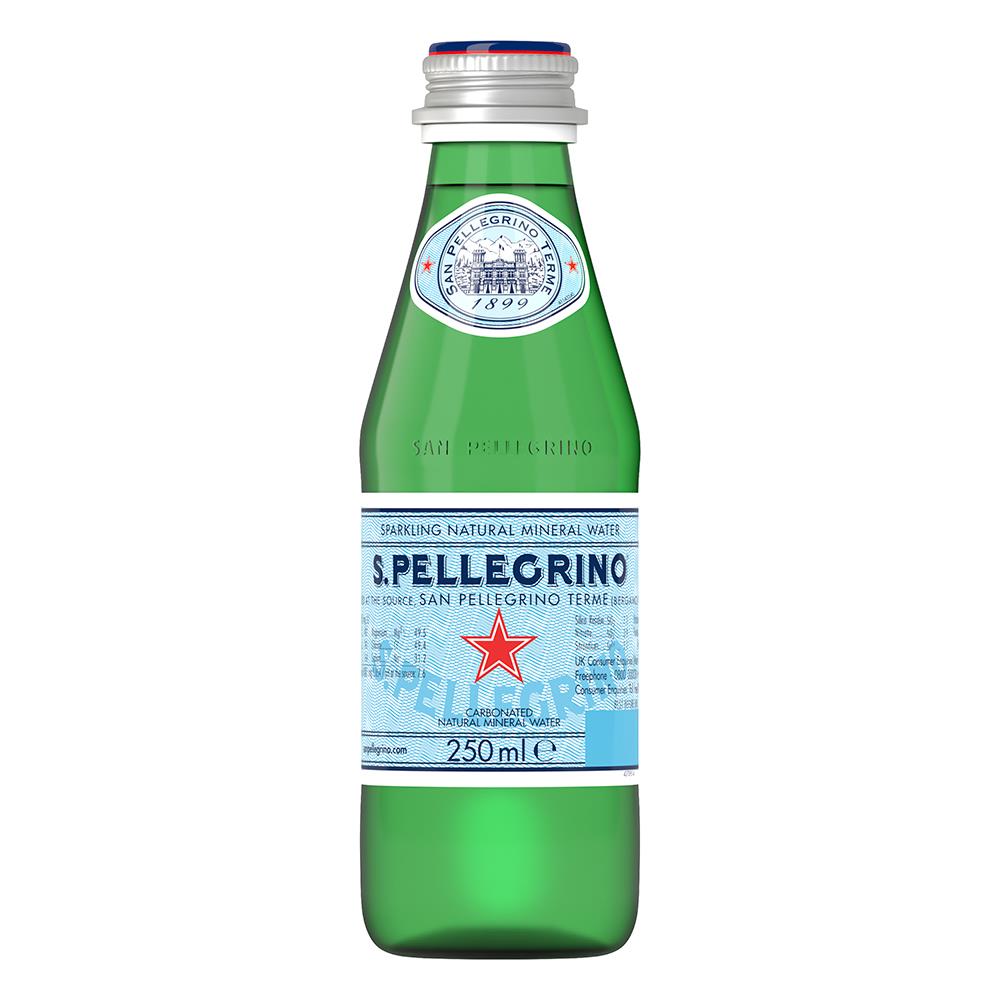
Whisk matcha with 50ml water, then pour it over ice with sparkling water or lemonade and a squeeze of fresh lemon. It’s dairy-free, bright and perfect for customers who don’t want milk. A premium sparkling water like San Pellegrino keeps the bubbles fine and crisp.
How Cafés Can Build a Profitable Matcha Menu
A profitable matcha menu is small, consistent and priced for the premium customers already pay. With matcha costs rising, the cafés winning on matcha control every gram and earn extra margin on flavours and milks.
- Keep two or three base recipes. A hot latte, an iced latte and one milk-free option cover most orders. Every flavour then becomes a variation, not a new recipe to train.
- Weigh every dose. Matcha is too expensive to scoop by eye. Pre-portion 2g or 3g doses before service.
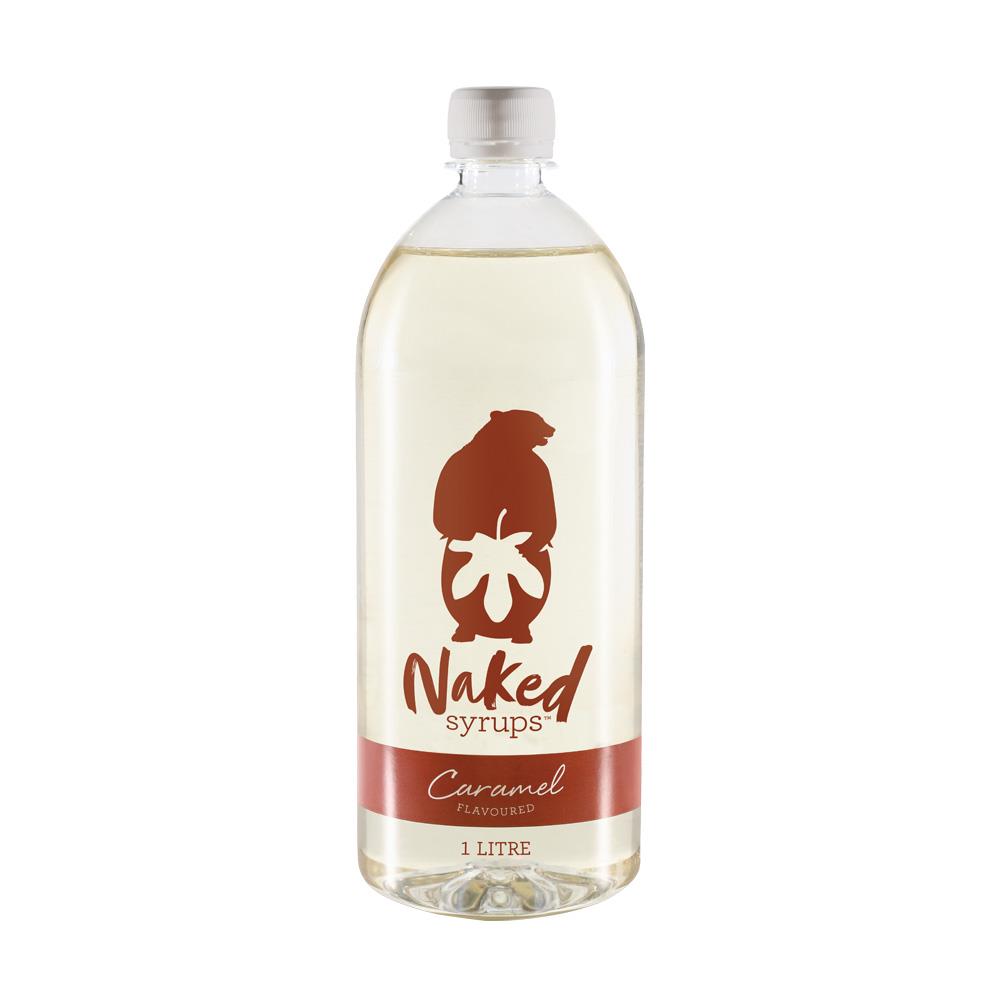
- Use syrups to multiply your menu. Vanilla, strawberry, caramel and seasonal café syrups turn one base into a full range with very little extra stock.
- Offer a choice of alternative milks. Customers expect oat, soy and almond as standard. A clear alt-milk surcharge protects your margin.
- Sell hot and iced all year. Iced drinks lead in summer, while hot matcha keeps sales steady through winter.
- Rotate seasonal flavours. Mango in summer, spiced vanilla in winter, strawberry in spring, or an ube matcha made with Alchémy Ube Syrup. Limited-time drinks give regulars a reason to come back.
- Charge for premium add-ons. An extra matcha shot, cold foam, a ceremonial-grade upgrade or a protein scoop are easy upsells.
- Make it look good. Clear cups, visible layers and a consistent green colour let your customers market matcha for you on social media.
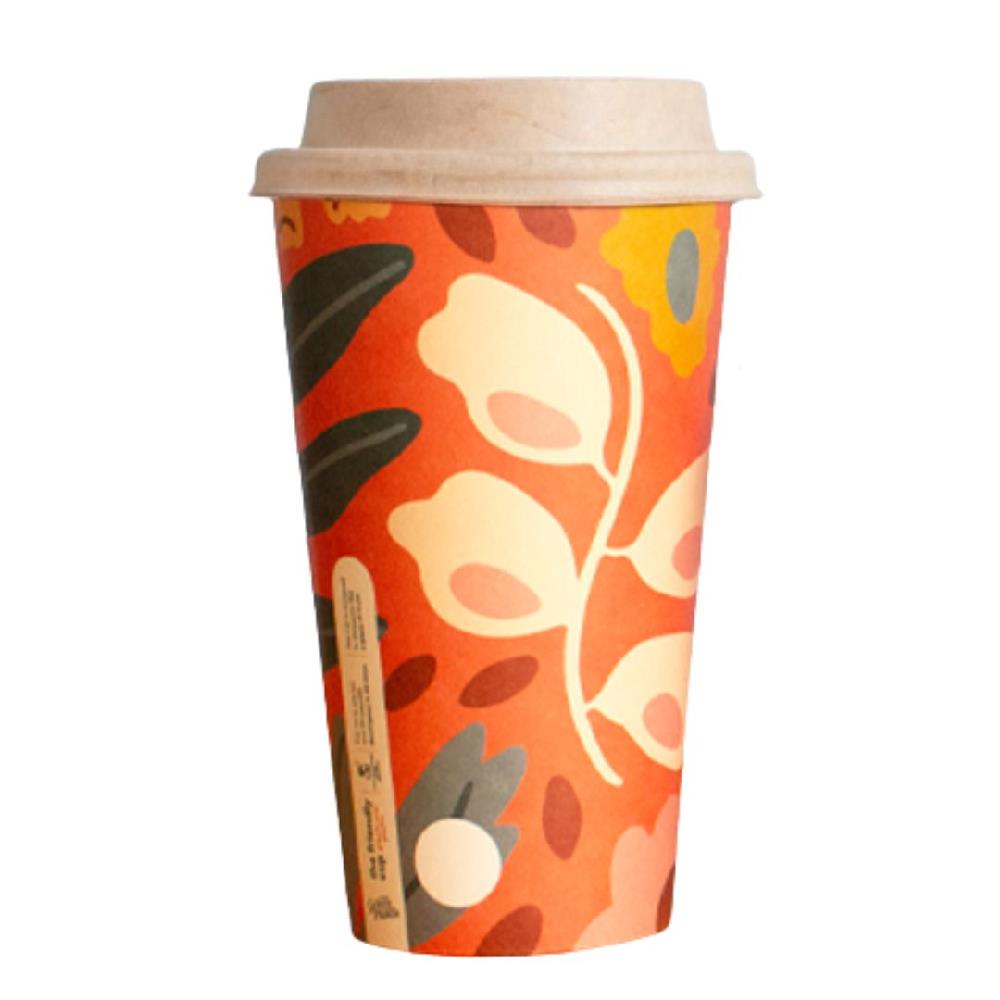
- Get takeaway packaging right. Iced matcha needs sturdy clear cups, secure lids and wide straws. Our guide to custom café packaging shows how to turn every cup into marketing.
- Plan for supply gaps. Japanese matcha is still tight, so order ahead and keep a backup. Hojicha, a roasted Japanese green tea powder, is a popular substitute, and some cafés use cheaper Chinese matcha in iced and plant-milk drinks, accepting a darker, more bitter cup.
With iced matcha lattes selling for around $8, matcha can be one of your best-margin drinks. Review your cost per cup each quarter, because Japanese matcha prices are still moving.
What Does a Matcha Latte Cost to Make?
Matcha is the biggest variable in your cost per cup. The table shows the matcha cost alone at three price points reported by a Melbourne café owner in late 2025 (SBS News).
| Matcha price | Grade | Matcha cost, hot (2g) | Matcha cost, iced (3g) |
|---|---|---|---|
| $80/kg | Chinese, tier three | $0.16 | $0.24 |
| $299/kg | Japanese, tier three | $0.60 | $0.90 |
| $500/kg | Japanese, tier one (premium) | $1.00 | $1.50 |
Worked example: an iced matcha latte with 3g of $299/kg matcha ($0.90), 180ml of barista almond milk at about $3.90 a litre ($0.70) and roughly $0.40 for cup, lid and straw costs about $2.00 to make. Sold at $8, that’s around $5.50 gross profit per cup after GST, before labour and overheads. Prices move often, so recalculate with your current supplier pricing.
Matcha Latte FAQs
What is the best milk for a matcha latte?
Oat milk. It’s creamy, slightly sweet, nut-free and steams well. Soy is best for latte art, while coconut suits fruity iced drinks.
How much matcha goes in a latte?
About 2g (one level teaspoon) for a hot matcha latte and 2.5–3g for an iced one, whisked with 40–50ml of water.
What water temperature is best for matcha?
Between 70 and 80°C. Boiling water burns matcha and makes it bitter.
Does matcha have more caffeine than coffee?
No. A standard matcha serve has about 70mg of caffeine, compared with 80–100mg in a coffee. Many customers find the energy feels gentler.
Why is my matcha latte clumpy?
Matcha powder clumps easily. Sift it first, then whisk it with a little water into a smooth paste before adding milk.
Is ceremonial grade matcha worth it for lattes?
For flavoured drinks, a quality latte grade is usually enough. Save ceremonial grade for straight matcha or a premium upgrade.
How much does a matcha latte cost in Australia?
An iced matcha latte sells for around $8 in Australian cafés, about $2 more than a standard milk coffee. The matcha itself typically costs a café between $0.16 and $1.50 per cup, depending on grade.
Where can cafés buy matcha powder in Australia?
Kellys Distributors stocks matcha and matcha latte powders from brands including Naked Syrups, Cosecha Organic and Arkadia, alongside the milks, syrups and packaging to go with them. Shop café powders here.
Stock Your Café with Kellys Distributors
From alternative milks and café syrups to juices, toppings, drinks and takeaway packaging, Kellys Distributors supplies Australian cafés with the products they need behind the counter.
We’re a 100% Australian-owned family business based in Sunnybank Hills, Brisbane, and we’ve supplied cafés for over 20 years. Our range covers 800+ products across 150+ brands, including MILKLAB, Bonsoy, Oatly, Alternative Dairy Co. and Naked Syrups, and we serve more than 5,000 business customers.
Account deliveries cover South East Queensland and Northern NSW, our online shop ships Australia-wide, and there’s no minimum order. Need help building your matcha menu? Call us on (07) 3345 2688 or email info@kellysdist.com.au.