
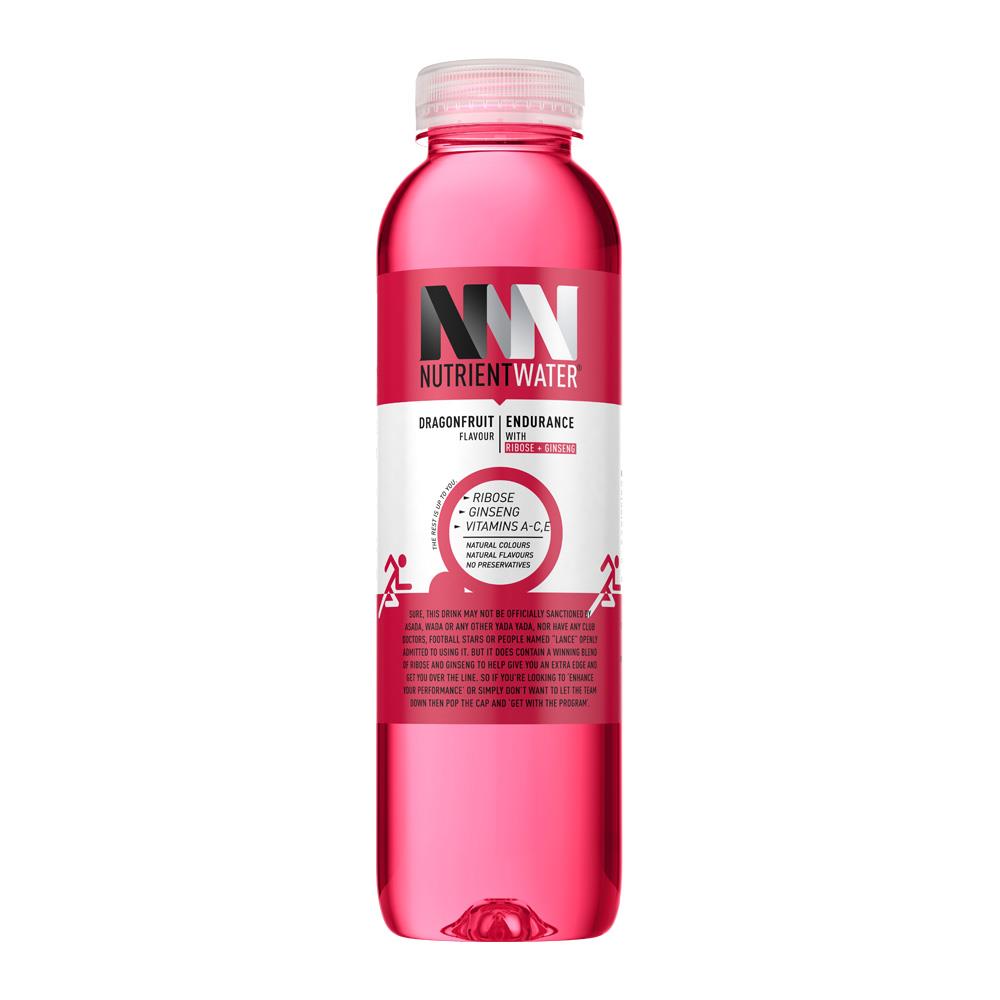
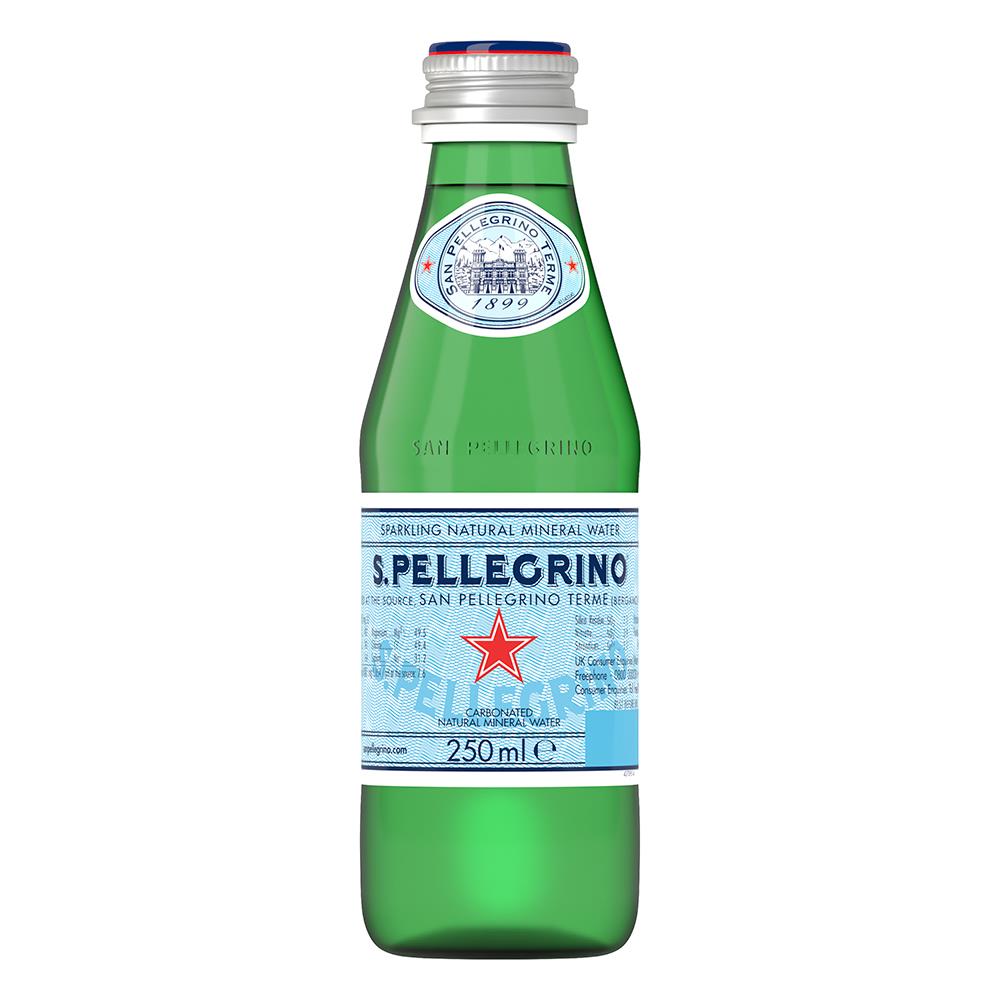
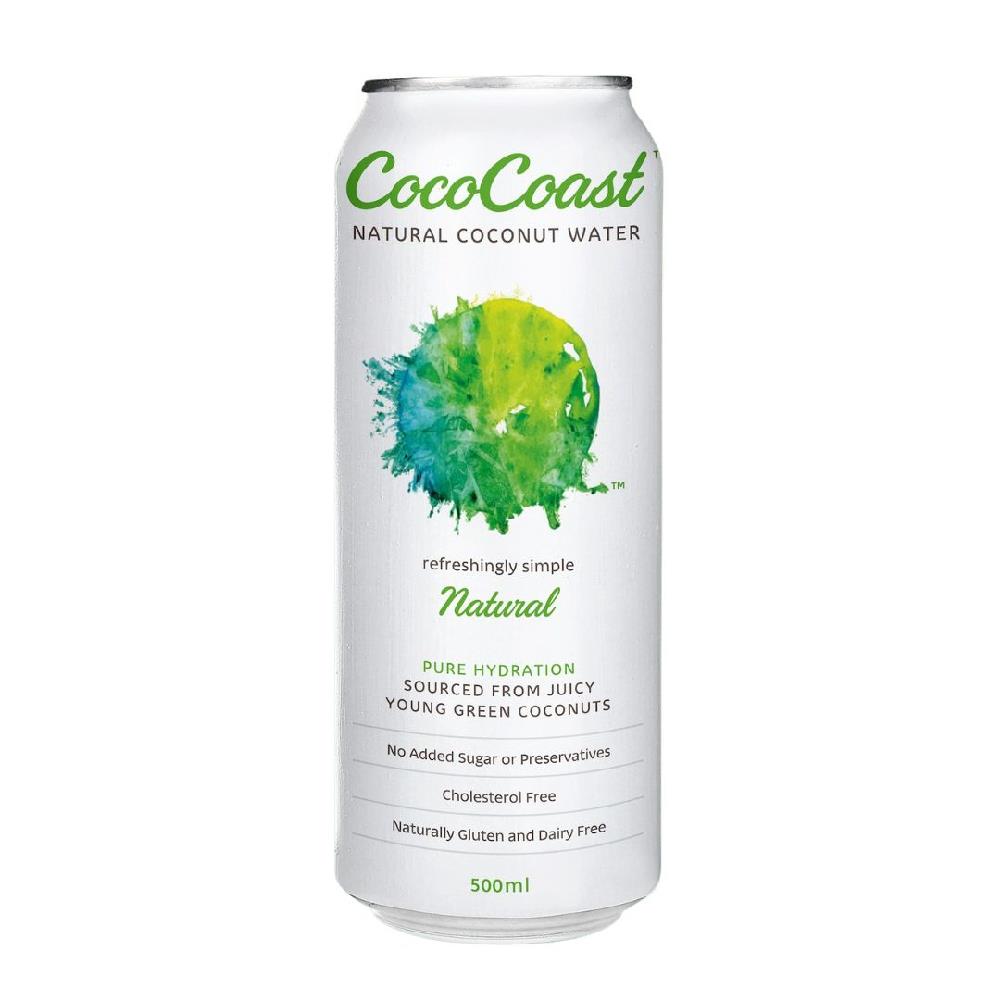
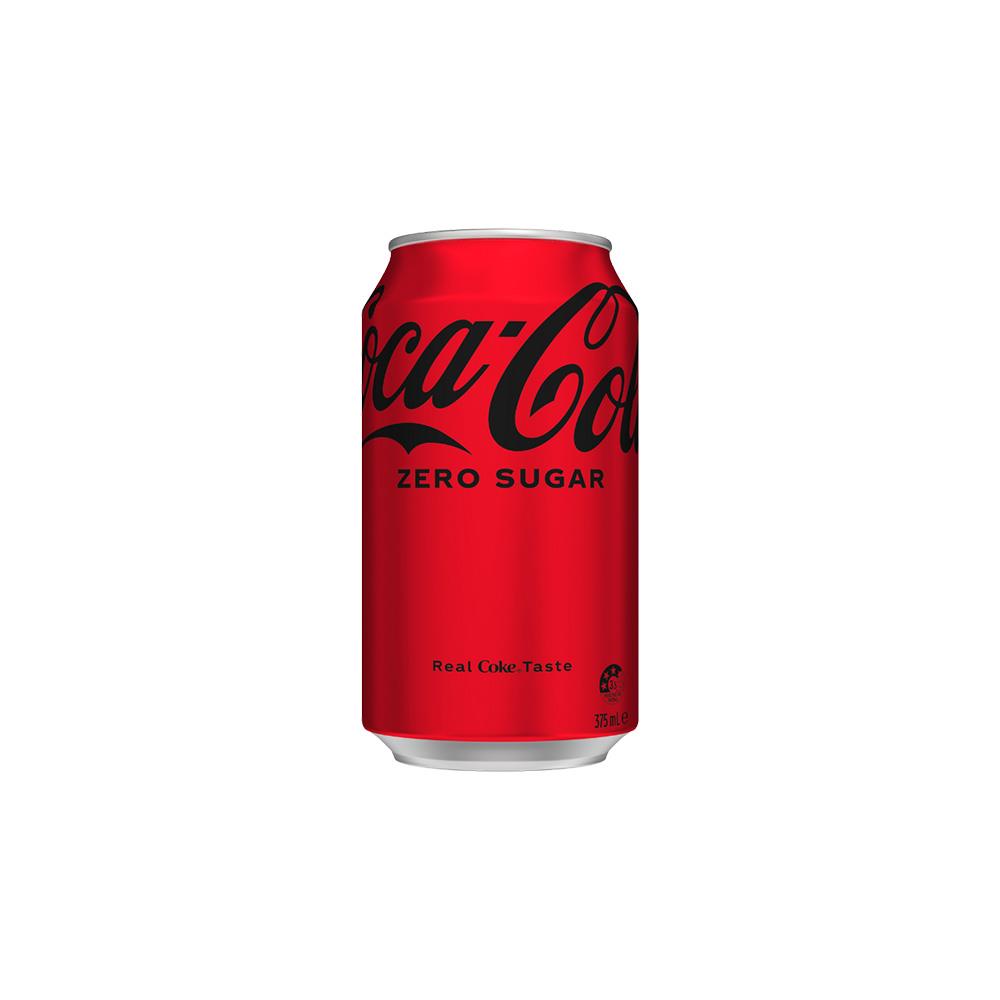
This guide covers your whole non-alcoholic order: soft drink, sparkling water, juice, still water and ice.
The short answer: 1.5 serves per person, per hour of service. Fifty guests over three hours comes to 225 serves. Add 10% as a buffer, lift the whole figure by 40% if you’re outdoors between November and March, and allow half a kilo of ice per person.
That’s enough to place a sensible order. Everything below is how to sharpen it.
Start with hours of service, not hours of event
This is the single most common mistake we see, and it’s an expensive one.
If your function runs from noon to four but drinks only go out at two, you’re catering for two hours, not four. Conference days are the clearest example: the event is eight hours long, but the drinking happens in four fifteen-minute breaks. Order for eight hours and you’ll take half of it home.
Count the time drinks are actually available to guests. Nothing else.
Then adjust for the things that actually change consumption
The 1.5 figure is a national average. Four conditions move it, and they move it a long way.
Heat and open air. Anything outdoors between November and March needs 40% more. This is the biggest variable in Australia and the one most often forgotten. A 28-degree Saturday in a backyard is a completely different event to the same function in a function room in July.
Full days. Conferences and all-day training run about 30% above the base. People talk all day, and they graze on drinks while they do it.
Seated meals. Take 10% off. The table paces consumption, not a bar.
No alcohol at all. Add 30%. School functions, community days and daytime corporate events shift everything onto the non-alcoholic order.
Multiply the factors that apply. Then add your buffer: 10% if numbers are confirmed and entry is controlled, 20% if attendance is open or the whole thing depends on the weather. Past 20% you’re not buying insurance, you’re buying a storage problem.
How many soft drinks for 50 guests?
Fifty guests, three hours, indoors:
50 × 3 × 1.5 = 225 serves, plus 10% = 248 serves
Split across a standard range, that’s roughly:
| Serves | What to order | |
|---|---|---|
| Sparkling mineral water | 74 | 25 × 750ml |
| Soft drinks | 74 | 13 × 1.25L |
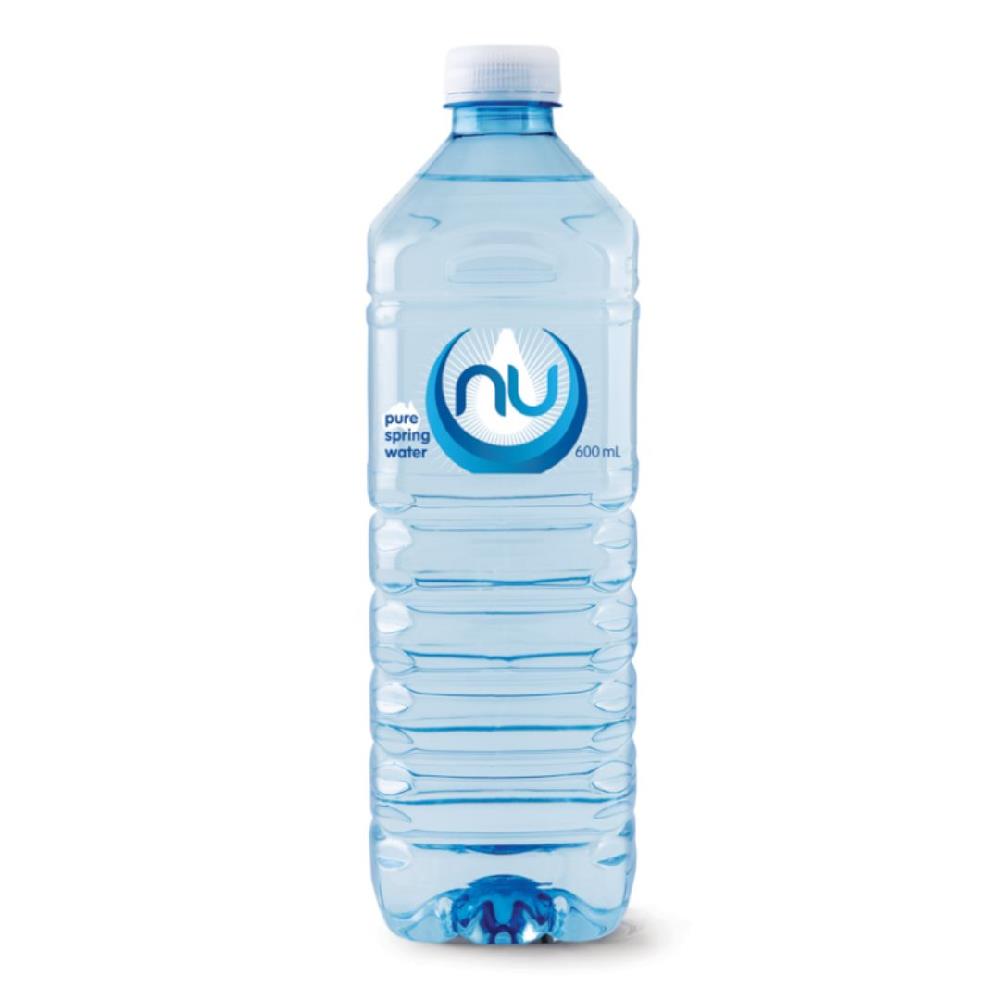
| Still water | 50 | 50 × 600ml |
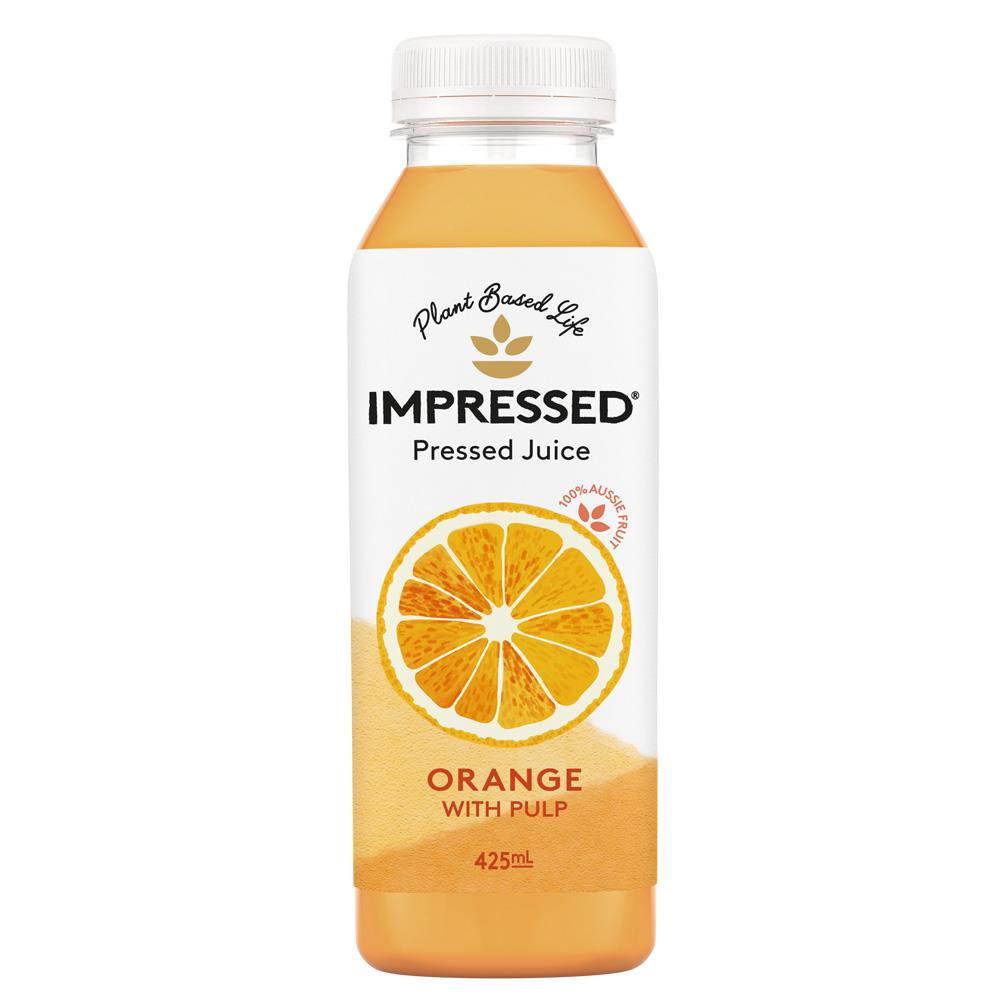
| Juice | 25 | 4 × 2L |
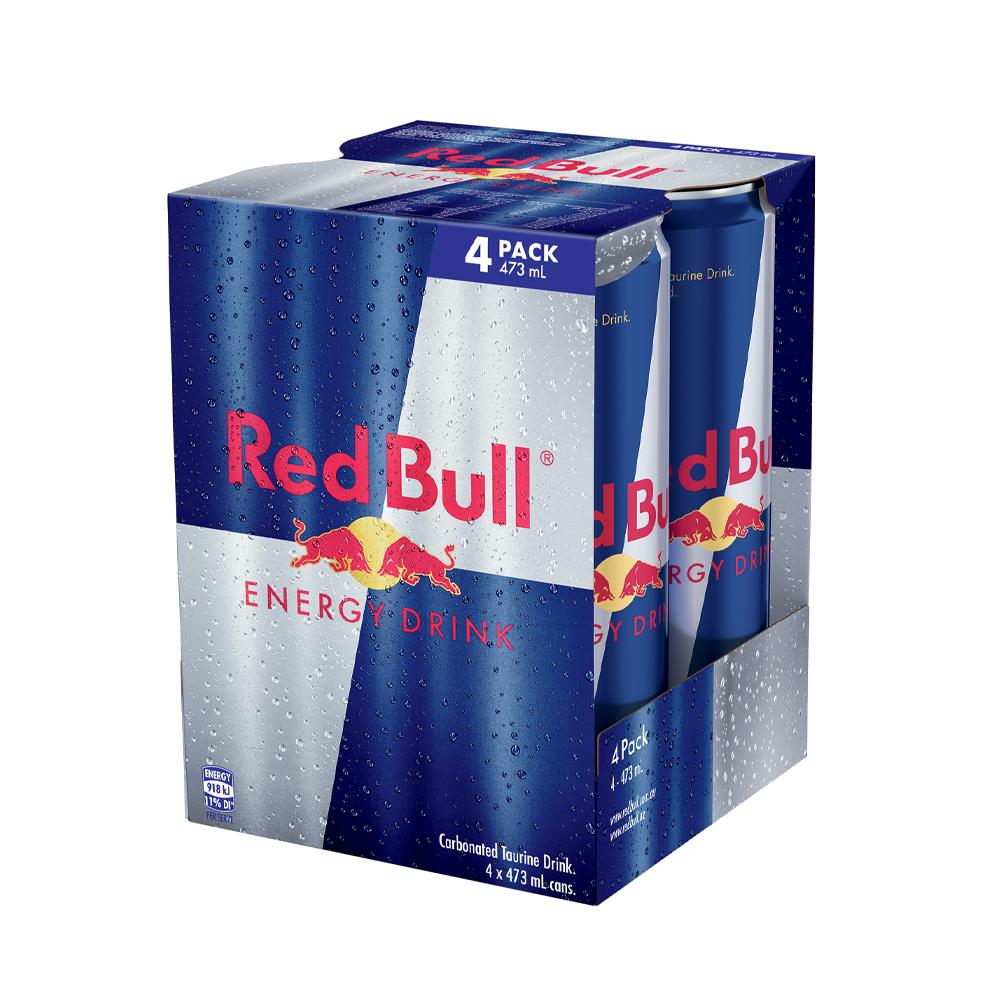
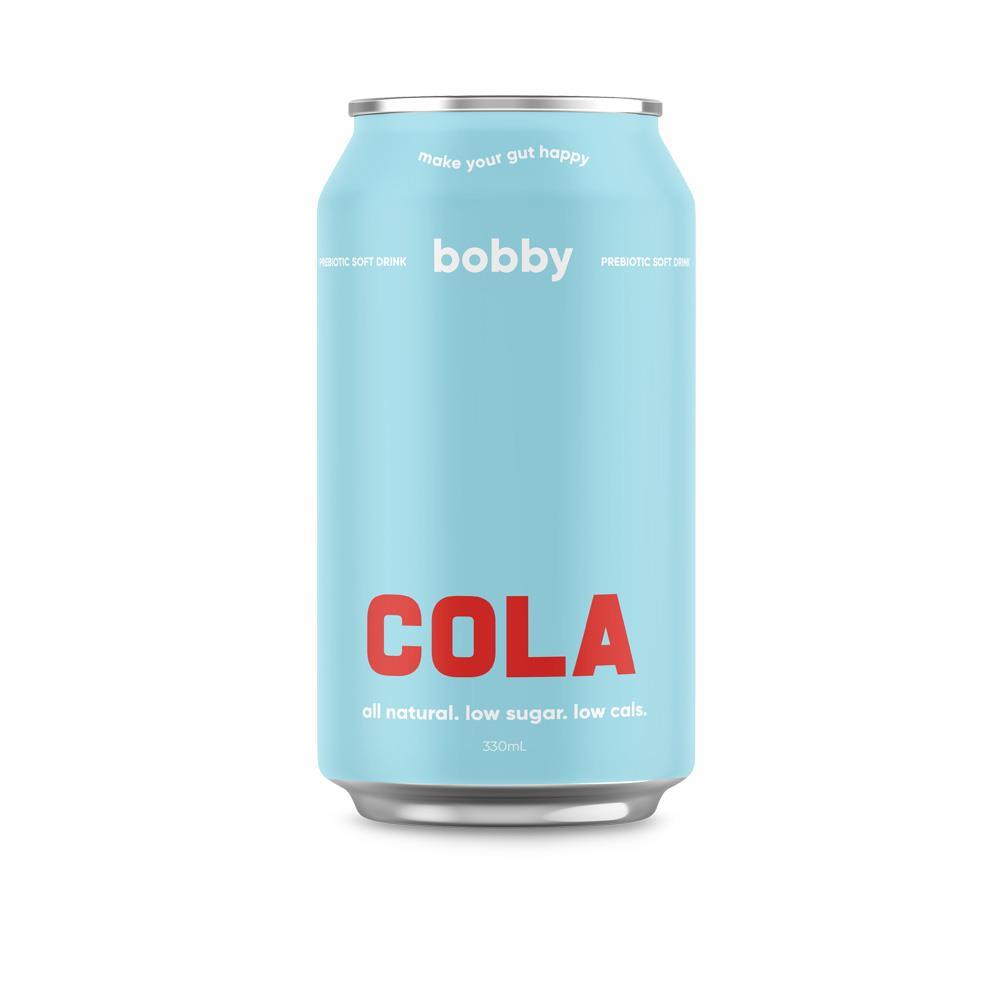
| Premium and specialty | 25 | 25 cans |
| Ice | — | 25kg |
Same event outdoors in December? Multiply the drinks by 1.4 and the ice by two. About 347 serves and 50kg of ice.
If you’re working from your own numbers, these are the standard Australian yields: a 1.25L bottle of soft drink gives six serves, a 2L juice gives eight, a 750ml sparkling water gives three, and a can is one.
Getting the range right matters as much as the volume
You can order plenty and still have the drinks table fail, because guests don’t drink evenly across what you put out. They drink the thing they wanted.
A reliable starting point for an adult crowd: 30% sparkling mineral water, 30% soft drink, 20% still water, 10% juice, 10% premium and specialty.
Sparkling water is the number most people get wrong. It’s the most under-ordered line at Australian corporate events, and it’s become the default choice for a large share of guests. Meanwhile the novelty flavours somebody insisted on tend to sit there untouched all afternoon.
From there, three things worth thinking about.
Read the room. An under-35 crowd shifts share from soft drink to sparkling water and premium sodas. A fete or a christening needs far more juice.
Choose the format deliberately. Cans chill faster, portion themselves, never go flat, survive a tub of melting ice, and are easy to return unopened. For short outdoor events they’re almost always the right call. Bottles are more economical for longer events with someone running the drinks station.
Go deep, not wide. Three lines with enough of each will beat eight lines that all run out. Depth looks generous. Empty tubs look like poor planning.
And plan the non-alcoholic side properly. Around 23% of Australians don’t drink alcohol at all, and at a typical event non-drinkers run between 20 and 30% before you count anyone driving home. A thin non-alcoholic offer visibly excludes a quarter of the room.
Don’t underestimate the ice
Half a kilo per person indoors. A kilo outdoors, or any time between November and March. A kilo and a half for a full day in real summer heat.
Two things that catch people out. Ice melts on the way, so book it to land close to your start rather than first thing. And the sun moves, check where your tubs will be sitting at three in the afternoon, not where they are at eleven.
If the venue has no fridge, which covers most parks, ovals, marquees and warehouse spaces, say so when you order. It changes the format, the delivery timing and the ice, and a supplier who knows in advance can solve all three.
The part you can hand over
Most of the difficulty in event drinks isn’t the arithmetic. It’s the logistics, and that’s what a distributor is for.
One order and one delivery covering soft drink, sparkling water, juice, mixers and ice means one invoice and one person to call. Delivery scheduled around your run sheet, chilled if you need it. A same-day top-up window. Sale-or-return on unopened cartons. Tubs, ice timing and dock access sorted before the day rather than on it.
And the part you can’t get from a formula: someone who supplies hundreds of functions a season and knows what a 200-person conference actually drinks in October, or what a school fete gets through on a 33-degree Sunday.
Kellys Distributors carries the full non-alcoholic range, from sparkling mineral water and Italian sodas to juices, soft drinks and mixers, San Pellegrino included. Whether it’s a boardroom breakfast or a thousand-person community day, it comes out of one order and one delivery.